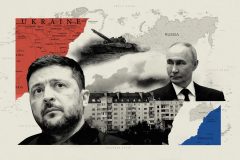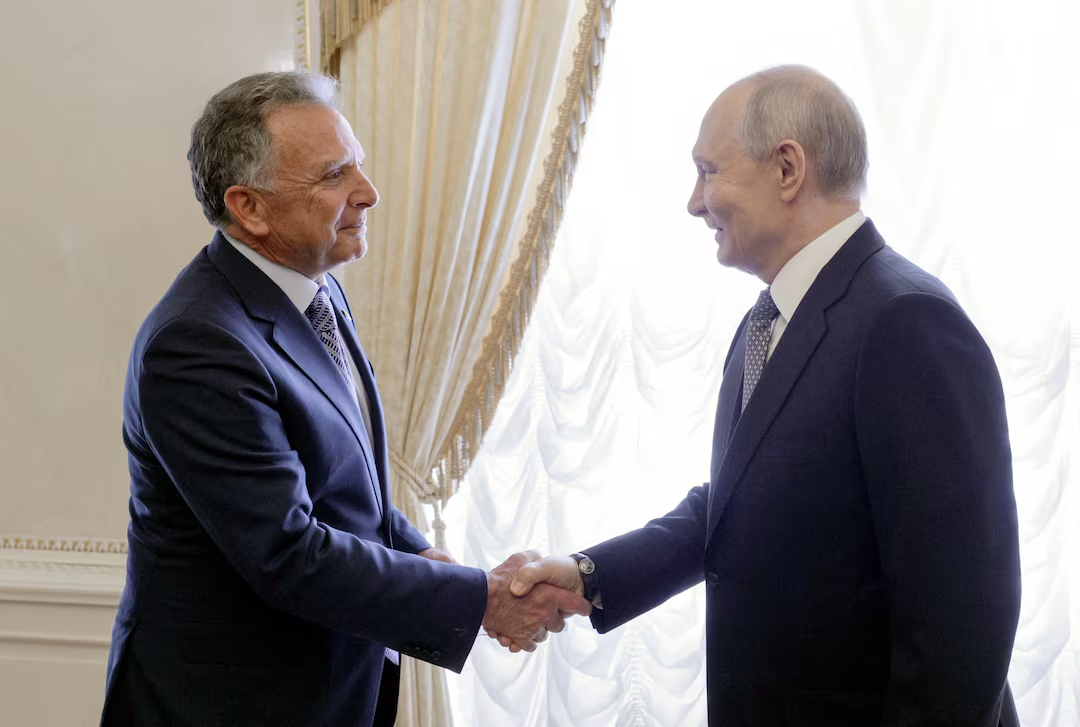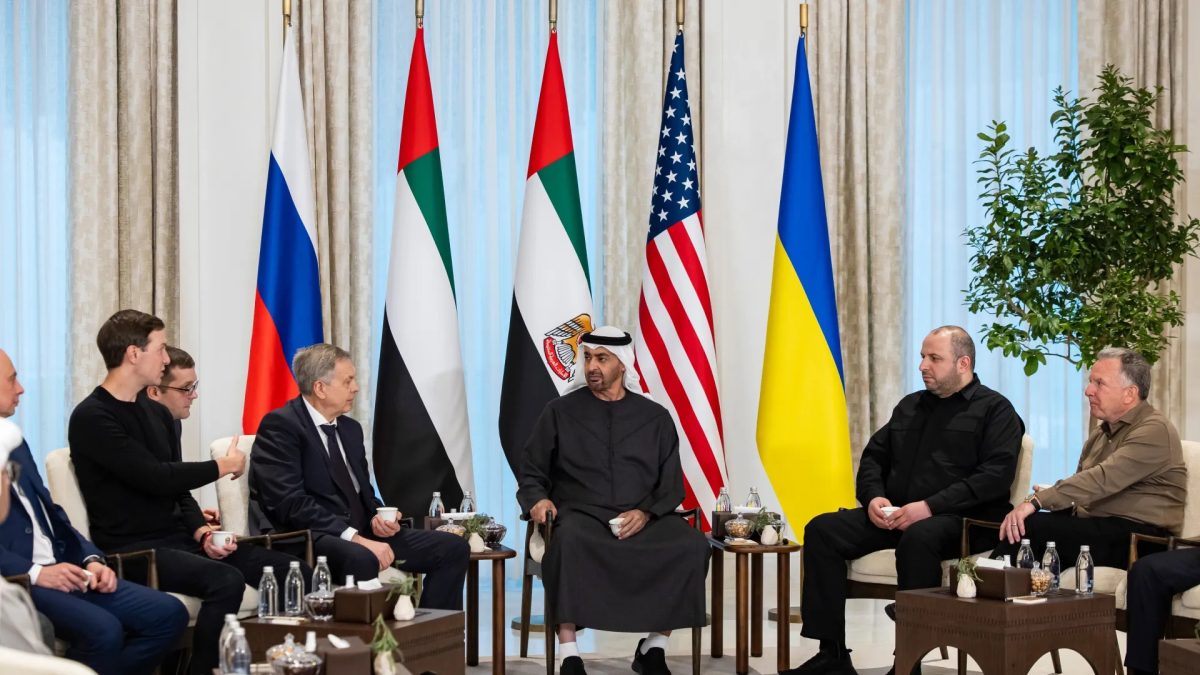
Russia, Ukraine and the United States plan to hold trilateral peace talks in Abu Dhabi in the first half of November, according to Kremlin spokesman Dmitry Peskov, who announced the plan on 23 October. They would be the first such talks since negotiations stalled earlier this year, and a similar meeting expected in October never happened. The announcement followed a meeting between US envoy Steve Witkoff and Vladimir Putin in St Petersburg and a localised ceasefire in Oleshky, a southern Ukrainian city occupied by Russia since February 2022, which the White House said was brokered by First Lady Melania Trump. After more than four and a half years of war, the question is whether these steps signal progress or only a pause.
The argument that this is a real opening points to the steps already taken. The Oleshky ceasefire was agreed to let aid reach a stranded town and allow residents to be evacuated, and Russia's defence ministry said each side exchanged 270 prisoners of war. Putin said he was ready to negotiate and seek solutions to a difficult and complex situation, and Ukrainian President Volodymyr Zelenskyy said technical negotiations should start as early as possible in the first half of November. This would be the fourth round of US-brokered talks, after the last one in Geneva in February, and both leaders have backed the three-way format. Practical agreements on prisoners and humanitarian access, however small, show that the two sides can still reach arrangements.
The argument that this is only a pause points to what happened next and to how far apart the two sides remain. Within hours of Putin saying he agreed in principle to restart talks, Russia launched a deadly barrage of ballistic missiles and drones at Kyiv, and Moscow said it destroyed more than 800 Ukrainian drones heading towards its cities. Russia occupies about 20 percent of Ukraine and demands full control of four regions plus Crimea, along with a ban on NATO membership and limits on Ukraine's military, and it rejects a ceasefire until a comprehensive deal on its terms. Ukraine refuses to give up land and wants a ceasefire that freezes front lines, plus security guarantees and ten years of funding for its army. Putin has said the talks should focus on long-term security, not a short truce.
The outcome matters for Europe and for the rest of the world. A deal could ease pressure on energy prices and food supplies and reduce the risk of the war widening, while a failure would deepen the strain on European defence spending and on Ukraine's allies. The choice of Abu Dhabi also shows how much diplomacy now runs through Gulf states. For civilians in front-line towns like Oleshky, even a limited ceasefire can mean food, medicine and a way out.
The talks are scheduled, the positions are far apart, and the fighting has not stopped. A local ceasefire and a prisoner swap show that agreements are possible, but a settlement will need compromises on land and security that neither side has offered. Abu Dhabi will show whether this pause becomes more.