A Russian ballistic missile attack hit Kyiv’s CHP-4 power plant and a residential building on the evening of 13 October 2026, killing at least two people and wounding about 20. It came days after US President Donald Trump announced an “energy ceasefire” between Russia and Ukraine.
The attack struck the Darnytsia combined heat and power plant, known as CHP-4, and a residential building in the Desnianskyi district, according to France 24, which cited at least two people killed and about 20 wounded. Kyiv Mayor Vitali Klitschko confirmed the casualty figures, and AFP journalists in the city reported hearing multiple blasts. Earlier reports on the night gave lower figures, and casualty numbers in such attacks often change as rescuers clear the sites.
Ukrainian President Volodymyr Zelensky said the missiles were detected only as they approached the capital and that Kyiv had received no warning from its partners. “A Russian ballistic missile attack on Kyiv. Once again, no early warning from our partners,” he wrote. Ukrainian officials attributed the detection problems either to Russia’s use of hard-to-detect missiles or to possible technical issues.
The strike came against the background of Trump’s announcement on Sunday. He posted on Truth Social: “Effective immediately, there is an ENERGY CEASEFIRE in the War between Russia and Ukraine. Both parties have agreed. Do not break it!” Zelensky said he learned about it from media coverage, that Ukraine “didn’t know about it”, and that while Kyiv supported the idea he had “not heard approval of this proposal from the Russian side”. He added that Ukraine would stop attacking Russian refineries if Russia stopped hitting Ukrainian energy infrastructure, saying: “Don’t attack us… We will stop attack your diesel.”
Moscow has been non-committal. Kremlin spokesman Dmitry Peskov said that “contacts are ongoing” and that officials would say more when they had something to say. Ukrainian officials reported further Russian strikes on energy facilities after Trump’s post, including one on a facility near Kharkiv on Monday morning. NBC News reported that Trump had announced a similar ceasefire a month earlier, which also failed to stop attacks from the air, and that the latest announcement followed his deal on diesel with Russia and his calls for Ukraine to halt refinery strikes.
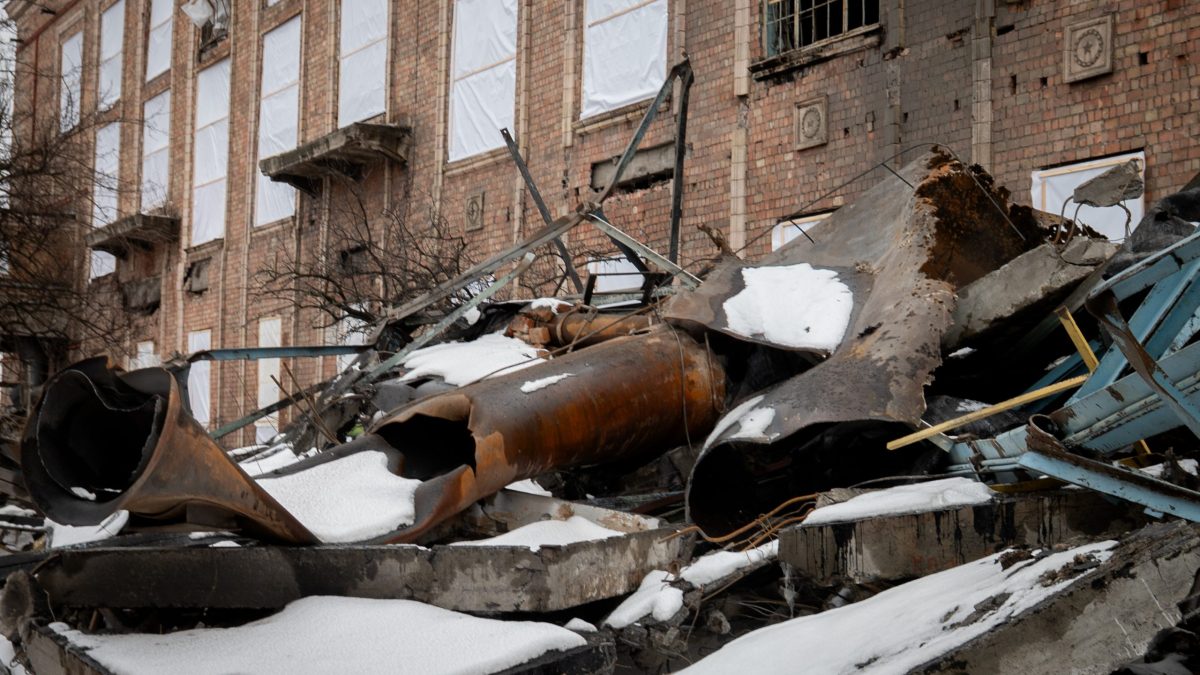
The plant hit on Tuesday has been a target before. A photograph published by Ukraine’s Ministry for Development of Communities and Territories shows the Darnytsia plant after a Russian attack on 3 February 2026, with its buildings and pipework badly damaged. Euromaidan Press has reported Ukraine’s claim that it hit 12 Russian refineries in September and that no refinery strikes had been reported since the ceasefire announcement, though that claim is Ukraine’s own and was not independently confirmed.
What happens next depends on whether the two sides publicly accept the terms. As of 14 October neither Moscow nor Kyiv had issued a joint statement, and the strike on Kyiv suggests the ceasefire is not yet holding. Heat and power plants matter most as winter approaches, because they supply both electricity and district heating to residents. Delima News will update this story when the Kremlin or Ukrainian authorities give further details.
Image: The Darnytska combined heat and power plant in Kyiv after a Russian attack in February 2026 (file photo from an earlier attack, not from 13 October). Photo: Ministry for Development of Communities and Territories of Ukraine / Wikimedia Commons (CC BY 4.0)