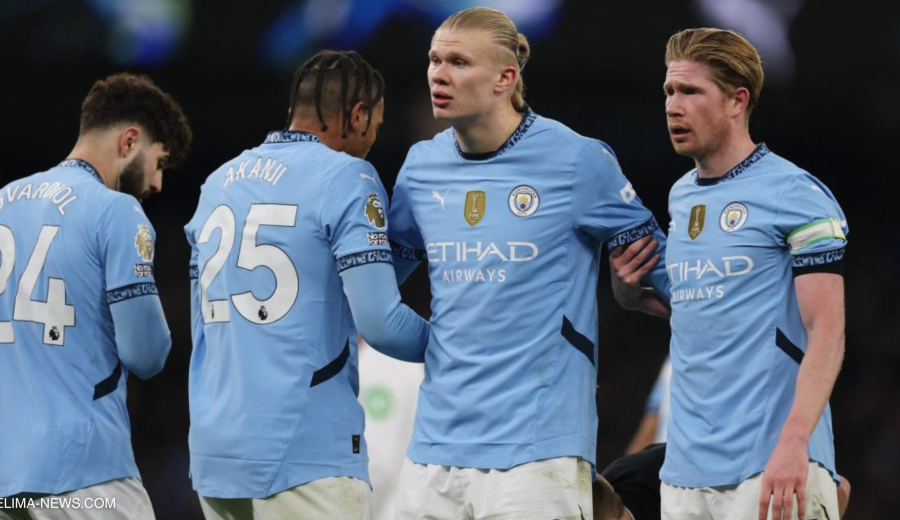
The independent panel’s reported verdict against Manchester City has sent shockwaves through English football, raising the prospect of points deductions, title disputes, relegation and compensation claims from rival clubs. City denies wrongdoing and is expected to appeal.
Manchester City’s long-running financial fair play case has reached a dramatic turning point, with an independent commission reportedly finding the club guilty of all but one of the 115 alleged breaches of Premier League financial regulations.
The findings, reported by The Guardian, BBC Sport and The Athletic on September 25, 2026, follow an investigation that began in 2019 and formal charges announced by the Premier League in February 2023. The alleged breaches cover financial reporting, player and managerial remuneration, profitability and sustainability rules, and cooperation with the league’s investigation.
The consequences could extend well beyond the Etihad Stadium. Manchester City could face substantial sporting and financial sanctions, while rival clubs are examining whether they can seek compensation for losses allegedly caused by the club’s financial conduct.
However, the verdict is not yet a final, publicly issued disciplinary ruling. The Premier League has not formally published the commission’s full decision or announced the sanctions. City maintains that the proceedings remain ongoing and is expected to appeal.
What are the 115 charges against Manchester City?
The Premier League brought the charges in February 2023 after a four-year investigation into City’s financial affairs. The allegations cover the period from the 2009-10 season to 2017-18 for many of the financial reporting and remuneration claims, with other alleged breaches extending to 2022-23.
The charges fall into five broad categories:
| Category | Allegations |
|---|---|
| Financial reporting | Providing inaccurate financial information to the Premier League. |
| Player and managerial payments | Failing to provide complete details of remuneration paid to players and managers. |
| UEFA financial regulations | Alleged breaches of UEFA’s financial fair play rules. |
| Profitability and sustainability | Breaching the Premier League’s financial sustainability regulations. |
| Cooperation | Failing to cooperate fully with the Premier League’s investigation. |
The charges include allegations that the club misrepresented its financial position and failed to disclose the full details of certain payments. These are allegations that Manchester City has consistently denied.
According to BBC Sport, the independent commission’s findings uphold the overwhelming majority of the charges. The exact wording and reasoning of the full decision have not yet been made public. The case is particularly significant because the period under investigation coincides with City’s transformation into one of the most successful clubs in European football.
Since 2009, Manchester City have won multiple Premier League titles, domestic cups and the Champions League, establishing themselves as a dominant force in English football. The findings therefore raise questions not only about financial regulation but also about the sporting consequences of the alleged breaches.
What punishment could Manchester City face?
The Premier League’s disciplinary framework allows an independent commission to impose a range of sanctions against clubs found to have breached its rules.
The potential consequences include:
-
Points deduction: A substantial deduction could affect City’s league position and potentially lead to relegation.
-
Financial penalties: The club could face a significant fine, depending on the commission’s assessment of the breaches.
-
Expulsion or suspension: Premier League rules allow for severe sporting sanctions, including expulsion from the competition.
-
Title-related consequences: The possibility of retrospective changes to honours has been discussed, although no decision to strip City of titles has been announced.
The scale of any punishment will depend on the commission’s reasoning, the specific charges upheld and the applicable regulations.
BBC Sport reported that the sanctions could be announced before City’s appeal is completed, although the process may continue for months or longer. The club is expected to challenge the findings, meaning the case could remain unresolved for an extended period.
A points deduction could have consequences beyond the current season if the commission decides that retrospective sporting penalties are appropriate. However, there is no confirmed points deduction, relegation decision or title-stripping order at this stage. The distinction matters: the reported guilty findings represent a major development, but the sporting consequences will depend on the formal sanctions and any subsequent appeal.
Rival clubs explore compensation claims
One of the most significant developments following the verdict is the response from other Premier League clubs. According to BBC Sport, several clubs had already sought legal advice before the reported verdict to determine whether they could pursue compensation from Manchester City.
The potential claims could concern financial losses suffered by clubs that competed against City during the seasons covered by the investigation. Rival clubs may argue that alleged financial breaches gave City an advantage in the transfer market, wage negotiations or competition for players, potentially affecting league positions and revenues.
Clubs that missed out on Champions League qualification, European competition or higher league positions could examine whether they have grounds to seek damages. However, compensation would not automatically follow from the commission’s findings. Any claimant would need to establish a legal basis for its claim, demonstrate that it suffered a loss and show the connection between that loss and the relevant breaches.
BBC Sport reported that clubs are considering whether claims should be pursued individually or through a centralised process involving the Premier League. The issue could produce a separate legal battle, potentially involving clubs that believe they were financially disadvantaged by City’s conduct.
Everton-Burnley case provides a precedent
The debate over compensation has been intensified by a separate dispute involving Everton and Burnley. In June 2026, Everton were told they must pay Burnley £35m after the latter argued that Everton’s breach of profitability and sustainability regulations had affected its chances of remaining in the Premier League.
Everton has appealed the ruling and disputes the compensation claim.
The case illustrates that financial rule breaches can lead to consequences beyond fines and points deductions, including potential liability to rival clubs. However, the circumstances and legal findings in the Everton-Burnley dispute are distinct from Manchester City’s case.
Could Manchester City lose its Premier League titles?
The possibility of retrospective changes to City’s honours has become one of the most debated aspects of the case. City won several Premier League titles during the period covered by the allegations. If sanctions include retrospective sporting penalties, the consequences could affect historical league standings and the clubs that finished behind them.
Rival supporters have called for titles to be stripped, while others have argued that any punishment should focus on financial penalties or future sporting consequences. But no titles have been removed, and the commission has not publicly announced a decision on retrospective honours.
Any such action would raise complex questions about the treatment of past results, the rights of other clubs and the administration of historical league tables. The legal process is also likely to be lengthy. City has consistently maintained its innocence and is expected to appeal the findings, meaning any final determination could be delayed.
Manchester City reject the reported verdict
Manchester City responded to the reports by reiterating that the Premier League process remains ongoing. The club said that significant elements of the proceedings remain to be completed and are subject to strict confidentiality. In its statement, City said it had respected due process over eight years and expected the Premier League’s regulatory process to remain independent, impartial and fair.
The club has consistently denied the allegations and previously said it possessed a comprehensive body of evidence supporting its position. City is expected to appeal against the guilty findings, according to BBC Sport and The Guardian.
The club’s response means the case is not yet at its final stage. An appeal could challenge the commission’s findings, the interpretation of the rules or the evidence used to establish the alleged breaches. Until the process is completed, the reported findings should be distinguished from a final and enforceable disciplinary outcome.
What does the case mean for English football?
The Manchester City case could become one of the most consequential regulatory disputes in Premier League history. For the league, the findings represent a major test of its ability to enforce financial regulations against one of its most commercially successful clubs.
The case also raises questions about competitive balance. Financial sustainability rules are intended to limit excessive spending and ensure that clubs operate within established financial requirements. If clubs can secure sporting advantages through conduct that breaches those rules, the credibility of the regulatory system comes under pressure.
For rival clubs, the possibility of compensation could create a new dimension to financial enforcement, extending consequences beyond the club found guilty. For supporters, meanwhile, the case raises questions about the historical record of one of the most successful periods in English football.
Yet the final outcome remains uncertain. The commission’s detailed reasoning, the sanctions imposed and the result of any appeal will determine how far the reported findings affect Manchester City and the wider Premier League. For now, the case has moved from years of allegations and hearings to a reported verdict with potentially far-reaching consequences. The next stages — formal publication, sanctions and appeals — will determine whether it becomes a defining moment in the governance of English football.