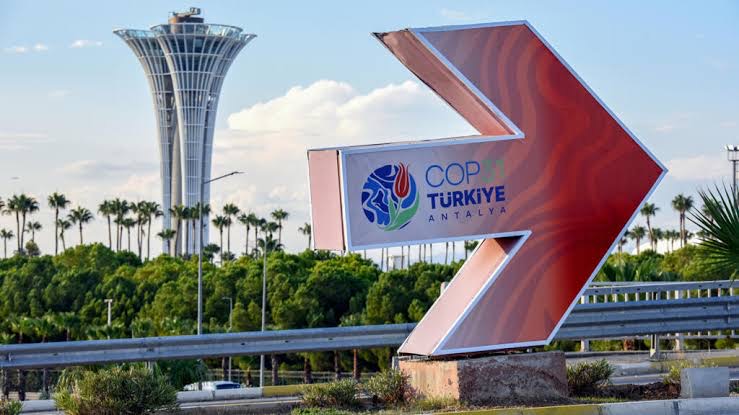
The UN climate conference, COP31, runs from 9 to 20 November in Antalya, Türkiye, with a World Leaders’ Summit on 11 and 12 November. Türkiye is host and its environment minister, Murat Kurum, is COP31 President-Designate, while Australia’s Chris Bowen is President of Negotiations, under a deal in which Australia gave up its bid to host. A provisional UN list shows leaders of 77 countries scheduled to speak, which Climate Home News says is nearly a third fewer than the 116 who spoke at COP28 in Dubai. The question is whether the Antalya conference can show momentum with so many absent.
The case that COP31 can still deliver begins with a concrete goal. Türkiye has proposed an electrification target, “35 by 35,” under which electricity would meet 35% of global energy demand by 2035, up from about 20% today, according to Climate Home News, drawing on analysis by the International Renewable Energy Agency. It sits in the summit’s action agenda alongside goals on waste and buildings, and Kurum said electrifying daily life would help protect families and businesses from volatile energy markets; Carbon Brief’s June roundup reports no opposition so far. The leaders’ summit falls on days three and four of the talks, and Climate Home reported in April that dozens of heads of government were expected. The speakers’ list is also broad, with about a third of the listed countries African and about a quarter small island developing states, and the pre-COP was held in Fiji from 5 to 8 October, with a leaders’ event in Tuvalu.
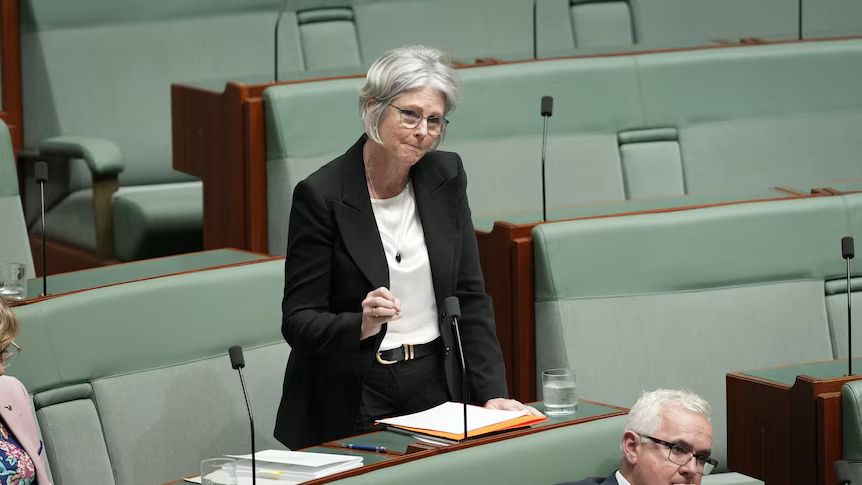
The case that COP31 is losing political weight is in who has not signed up. Climate Home names Emmanuel Macron, Friedrich Merz, Giorgia Meloni, Narendra Modi, Vladimir Putin, Mark Carney and Sanae Takaichi as absent from the list. Besides the two co-hosts, only the UK, Brazil and China have head-of-state or head-of-government speakers among G20 members, and China is likely to send Vice-Premier Ding Xuexiang rather than President Xi Jinping. UK Prime Minister Andy Burnham and Brazilian President Lula are expected to speak, but Donald Trump has never attended a COP and is withdrawing the US from the UNFCCC. Yvo de Boer, a former head of the UN climate secretariat, said the low turnout sends “the wrong signal at a difficult time,” adding that “climate action needs a strong show of support, not empty seats at a leaders’ summit.”
The summit matters because of who is in the room and who is not. The G20 countries account for more than three-quarters of annual global emissions, according to a UNDP source cited by Climate Home, and UN Secretary-General António Guterres said “all countries, especially the big emitters, must do more.” If the biggest emitters are represented below leader level, agreements on finance and fossil fuels will fall to negotiators, and the split presidency between Türkiye and Australia will carry more of the weight, and with negotiations led by Australia’s Bowen, the second week of the conference is where substance is likely to be decided.
Antalya has an agenda and a host, but the early attendance list suggests the hardest part will be getting leaders to treat it as a priority.