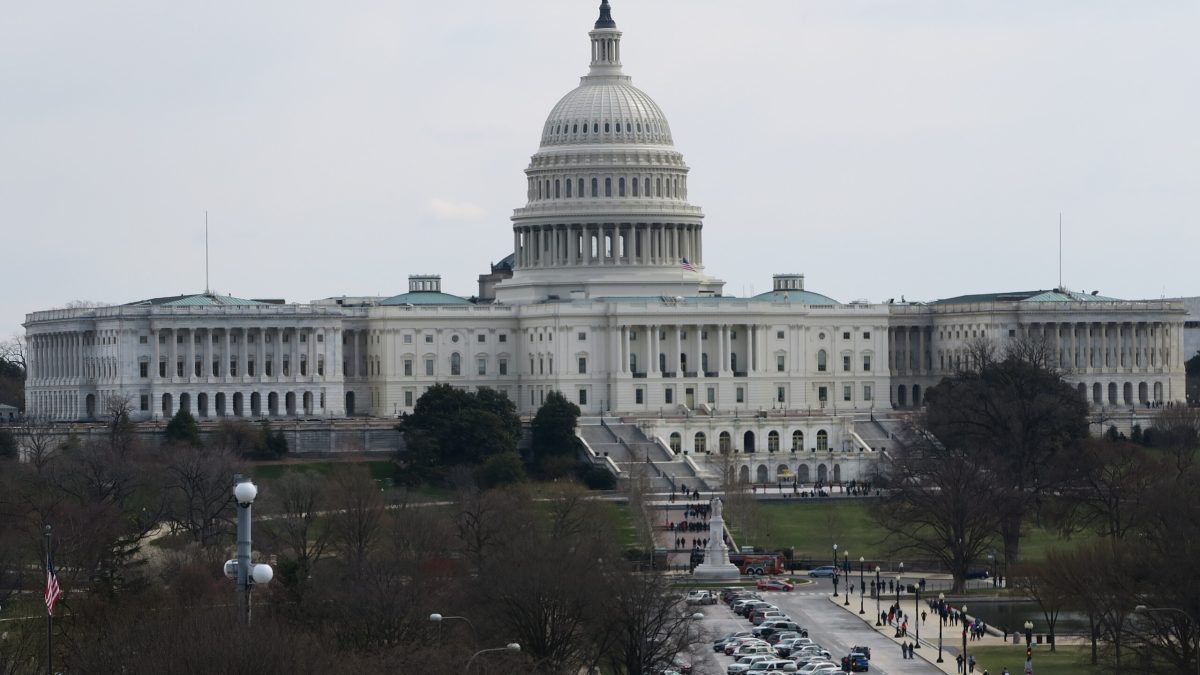
Americans vote on November 3 in midterm elections that will decide all 435 seats in the House of Representatives, 35 of the 100 seats in the Senate and 39 governorships. The contest is a referendum on President Donald Trump’s second term, fought against a backdrop of high inflation, elevated mortgage rates and an expanding conflict in the Middle East. Public polling has leaned toward Democrats for months, and a week before voting, the central question is whether that lead is large enough, and spread widely enough, to change who controls Congress.
The case for a Democratic advantage is supported by both polling and precedent. A Reuters/Ipsos survey in mid-October put Democrats at 47% and Republicans at 35% on the generic congressional ballot, a 12-point gap that was the widest of this election cycle. The same survey found President Trump’s approval at 31%, which it described as a record low for either of his terms. History points the same way: since World War II, the president’s party has lost an average of 26 House seats in midterm elections. A party in power with approval at that level has little cushion against that long-standing pattern. Voters also remain focused on prices: consumer inflation was 3.7% in September, according to Bureau of Labor Statistics data republished by the St. Louis Fed, and the average 30-year mortgage rate was 7.32%, conditions that tend to hurt the governing party.
The counterargument is that polls and averages are not outcomes. Since 1946 only two midterms have seen the president’s party gain House seats, in 1998 under Bill Clinton, when it gained four, and in 2002 under George W. Bush, when it gained eight, which shows that the pattern can break when voters are focused on other issues. A national generic ballot also measures preference across the country, not outcomes district by district, and only 35 Senate seats are on the ballot, so the party that benefits from a national mood may still struggle to turn it into a majority in that chamber. The unemployment rate of 4.2% in September is also lower than a year earlier, which gives Republicans an argument that the economy is holding up, and the Federal Reserve described economic activity this week as expanding at a strong pace.
The result will shape what the United States can do over the next two years. Control of the House decides whether the president’s agenda can pass, whether investigations of the administration begin, and how Congress responds to the Federal Reserve’s interest rate decisions and spending on defense. Beyond America’s borders, allies and adversaries will read the outcome as a signal about how durable current US policy on trade, Ukraine and the Middle East really is. A Democratic House would also hold the power of the purse, which lets it shape budgets and force negotiations on spending.
Polls and history favor Democrats, but a handful of past elections show that those signals are not guarantees. The only certainty is that the final week will matter, and that turnout will decide how much of the national mood becomes votes. Both parties are working to get their supporters to the polls, since midterm turnout is usually well below a presidential election.