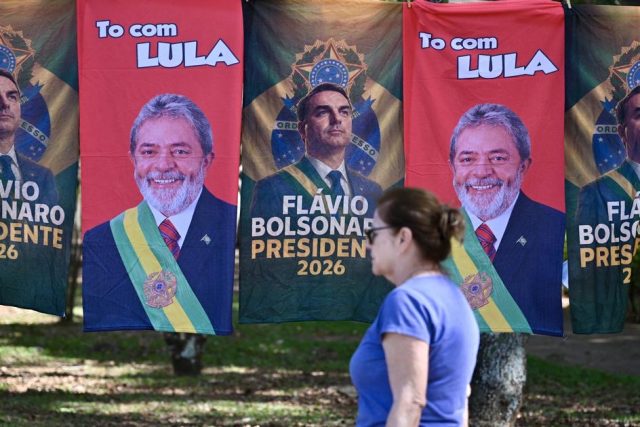
Luiz Inácio Lula da Silva was re-elected president of Brazil on October 25, winning the runoff against Flávio Bolsonaro with 51.79% of the vote. Lula received 64,256,232 votes to his rival’s 59,826,041, a margin of about 4.4 million, in a contest that turnout figures put at 80.78%. The result reversed the first round on October 4, when Flávio Bolsonaro finished ahead with 47% to Lula’s 45%. Jair Bolsonaro questioned the outcome and called for the election to be annulled, leaving the country with a clear winner and an unsettled political climate. The vote was the first national test of Brazil’s political divide since the previous presidential election.
The case that the result is decisive starts with the arithmetic. A lead of more than 4.4 million votes in a country of about 158.7 million eligible voters is not a margin that can easily be explained away, and turnout rose 1.57 percentage points from the first round, so more Brazilians took part in the decision, not fewer. Lula also overcame a deficit. Trailing by two points after the first round, he won the runoff, which his supporters can fairly present as evidence that he persuaded voters who had backed other candidates, among them Augusto Cury, Renan Santos and Ronaldo Caiado, who together took more than 7% in the first round. Winning a runoff after finishing second is also uncommon enough that the result was described as an upset in reports.
The counterargument is that the country remains deeply split, and the numbers show it. Flávio Bolsonaro took 48.21% of the vote, so nearly half of those who voted chose the other side, and his party did well in Congress. The Liberal Party won 121 of the 513 seats in the Chamber of Deputies, a gain of 22, which gives the opposition a strong base from which to resist the new government’s legislation. A president who must negotiate every bill with a Congress dominated by rivals will find it difficult to deliver on large promises, and the challenge to the result could weaken trust in the process even if courts reject it. The Chamber’s other large groups, FE Brasil with 88 seats and UPB with 87, will also have to be courted, since no group is near the 257 seats needed for a majority.
The outcome matters beyond Brazil’s borders. The country is Latin America’s largest democracy and economy, and its approach to trade, climate and relations with Washington and Beijing affects the whole region. A smooth transfer of power would reinforce the idea that Brazil’s institutions can withstand a polarized election, while a prolonged dispute would raise doubts among investors and partners about stability. Investors will watch how quickly Lula names his economic team and whether the opposition’s challenge gains traction in the courts.
Lula has won a fourth term with a clear but narrow mandate. The real test will be whether he can govern a divided country, and whether his opponents accept the result they have been given. For Brazilians, a decision made by more than 124 million voters now has to be respected by those who lost it.