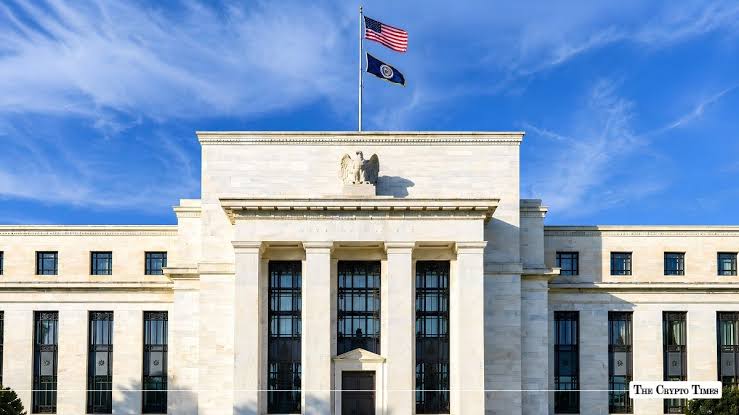
The Federal Reserve left its benchmark interest rate unchanged at 3.75 to 4 percent on 28 October, but the 10 to 2 vote showed a committee leaning toward tightening. Committee members Lisa Cook and Beth Hammack dissented because they wanted to raise the rate by a quarter of a percentage point. The Fed's statement said that inflation remains elevated and that economic activity is expanding at a strong pace, while promising that the committee will deliver price stability. The decision lands as American households pay more for fuel and as the economy produces fewer new jobs, which makes the choice between holding, raising and waiting more difficult than usual.
The argument for raising rates is built on the latest price data. The Bureau of Labor Statistics reported that consumer prices rose 3.7 percent in the 12 months to September, well above the Fed's 2 percent goal, and 0.6 percent in the month alone. Energy prices were up 20.4 percent over the year and gasoline was up 34.2 percent, with a 9.1 percent jump in gasoline in September. Shelter costs were up 3.2 percent over 12 months. The Fed's own statement describes domestic spending as resilient, productivity growth as strong and capital investment as robust, which suggests the economy can bear higher borrowing costs. For the two dissenters, waiting risks letting expectations of higher prices settle in.
The argument against raising rates is that the inflation problem is concentrated in energy and that the labour market is already cooling. Core consumer prices, which strip out food and energy, rose just 2.6 percent over 12 months, much closer to the Fed's target than the headline figure. The September jobs report showed payrolls up by only 29,000 and the unemployment rate at 4.2 percent, a weak pace of hiring. Higher interest rates do nothing to lower oil prices, and they raise the cost of mortgages, car loans and business borrowing. The statement itself notes that uncertainty is elevated, partly because of geopolitical developments, which gives the majority of the committee a reason to wait.
The decision affects far more than American borrowers. The dollar and US Treasury yields set the cost of money around the world, so a Fed that keeps rates high or raises them again pressures emerging economies, their currencies and their companies with dollar debts. Investors in Asia, Europe and Africa follow each statement closely. At home, mortgage rates, credit card bills and the price of petrol will depend on whether the Fed moves, and every household that carries debt has a stake in the outcome.
The Fed has chosen patience, but two votes for a hike show that patience is not unanimous. Two pieces of data will shape the next move, the jobs report due on 6 November and the October inflation report due on 10 November. If prices keep rising faster than hiring, the case for a hike will grow. Borrowers, savers and investors should expect the central bank to keep every option open until those two reports arrive.