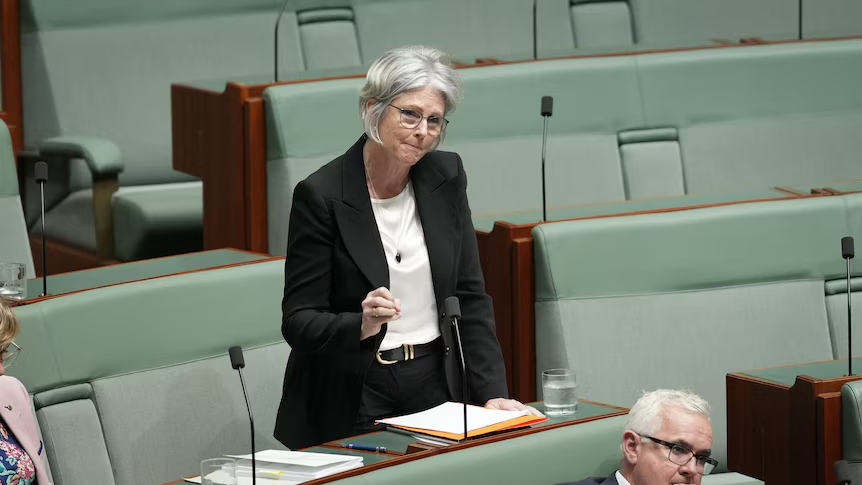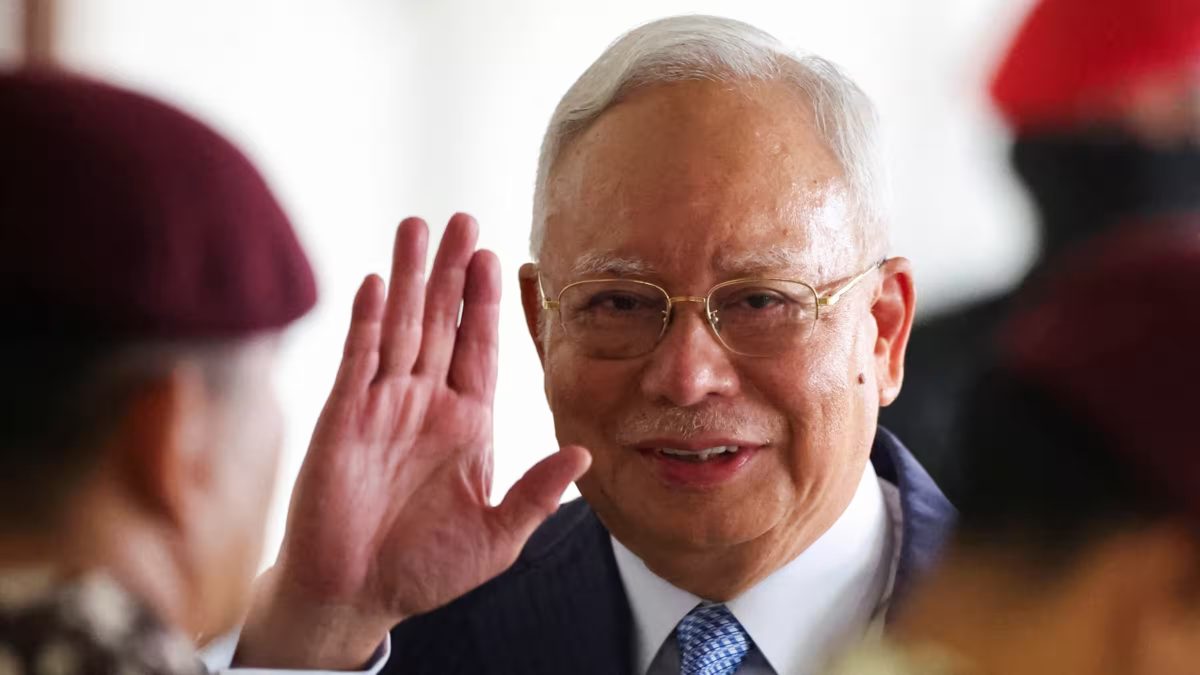
Former Malaysian prime minister Najib Razak is set to leave prison for house arrest after his political party paid the 50 million ringgit ($12.3 million) fine required under the terms of his royal pardon. The United Malays National Organization said on Friday, 6 November 2026, that it had completed the payment at the High Court, which fulfils the key condition attached to the clemency the king granted in September. Najib, 73, has been imprisoned since August 2022, when the country's top court upheld his conviction in a case linked to the looting of the state investment fund 1Malaysia Development Berhad. The timing of his transfer was not immediately clear, although police were stationed at his Kuala Lumpur house early on Friday and the road leading to it was blocked.
The case for the move is that it changes where Najib serves his sentence and not how long he serves it. The king's conditional pardon, announced on 18 September, lets him serve the remainder of his graft term at home until 23 August 2028, which is the same date on which the sentence was already due to end. The term was already halved in 2024, from 12 years to six, and the fine was cut from 210 million ringgit to 50 million ringgit. The pardon can be revoked if any condition is broken, in which case he would go back to prison to serve the rest of the term. Najib is 73, he has served more than four years, and supporters argue that house arrest is a proportionate step for an elderly prisoner who has already received a lengthy punishment.
The case against is that the arrangement favours a powerful man, and that it does not end his legal troubles. Najib's lawyers said earlier that he had no money to pay the fine because his bank accounts were frozen, so his party raised the amount through a donation drive, which critics say shows how a pardon can be bought by political allies. In December 2025 he was also convicted of four abuse-of-power charges and 21 money-laundering charges in the 1MDB-Tanore case, and he was sentenced to 15 years in jail and a fine of about 11.4 billion ringgit, which is around 228 times the fine he has just had paid. He has appealed, and on 14 October the High Court refused to suspend that sentence. The Home Ministry has not said whether house arrest would apply to it, although his lawyer says the arrangement is not affected.
The decision matters because it tests how Malaysia treats a former leader convicted over one of the largest financial scandals in its history. The pardon has deepened divisions within the government of Prime Minister Anwar Ibrahim, which includes UMNO, and the party's role in paying the fine ties the coalition's stability to the fate of a convicted ally. For investors and citizens who watch the courts, the question is whether the rule of law is applied equally, or whether money and political loyalty can change the outcome.
Najib is moving from a cell to a house, but the larger judgement is still to come. The appeal against the 15-year 1MDB sentence will decide whether this is a softer way of finishing one sentence or the start of a longer legal fight.