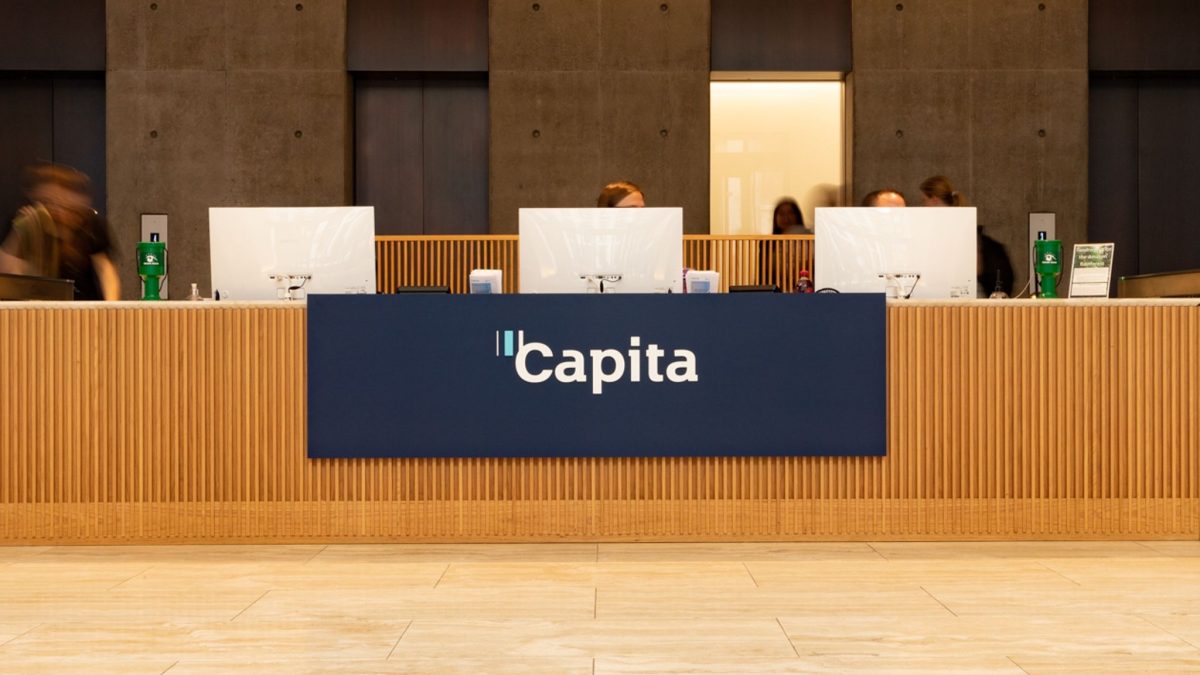
Shares in the outsourcing group Capita sank 70% on Monday, 23 November 2026, after its chief executive, Adolfo Hernandez, agreed with the board to leave with "immediate effect" amid a long-running failure to deliver the Civil Service Pension Scheme. The company also cut its profit expectations again and announced plans to raise £190 million from shareholders.
The pensions scheme at the centre of the storm manages the retirement benefits of 1.7 million UK public sector workers. Capita took over its administration in December 2025 under a seven-year contract worth £239 million, replacing MyCSP, the company that ran it until the end of November 2025. Since then, tens of thousands of retiring civil servants have faced delays in receiving their pension payments. The BBC's Radio 4 programme Money Box has heard from people caught up in the saga who have been left in financial hardship; some described the backlog as "hell", including retirees who left work early because of ill health.
Hernandez, who will be replaced by chief financial officer Pablo Andres, said: "I am proud of the groundwork we have laid and the progress we have made under my leadership. Of course, within that I recognise that we have not delivered the service that members of the Civil Service pension scheme deserve." That admission, from the company's own boss, followed months of pressure from MPs and ministers. Last month a Cabinet Office minister labelled Capita's progress in improving how it runs the scheme as "abysmal".
The financial damage is considerable. Capita said it now expects its underlying operating profit for 2027 to be hit by between £85 million and £95 million, compared with a previously expected reduction of up to £40 million. The additional cost comes from the recovery plan for the pensions scheme and from the loss of two other "major" contracts, in its defence and pension solutions divisions. To rebuild its finances, the company plans an equity raise of £190 million in the first half of next year, in order, it said, to "move forward from a more stable foundation".
The reaction from MPs was blunt. Sir Geoffrey Clifton-Brown, who chairs the Commons Public Accounts Committee, said the mishandling of the scheme "has caused severe hardship for some scheme members, particularly considerably delayed bereavement payments". The committee, he said, "will continue to pursue this dreadful matter", adding that he hopes the new acting chief executive "will be able to get a grip on this whole affair". The National Audit Office is also examining the contract, according to analysts quoted by the BBC.
Market commentators were equally critical, while acknowledging how hard the task had been. Russ Mould, investment director at AJ Bell, said Capita "inherited an enormous backlog of cases which needed addressing and failed to deliver on the promised automation, AI and digital tools needed to manage the 1.7 million members". He added that efforts to fix the problems failed and that government deadlines "came and went, leading to the withholding of milestone payments". His advice was that Capita "needs to steady the ship quickly, and hope that the modest recent improvements in service levels on the civil service scheme can be built upon".
The story illustrates a wider debate in UK public policy about outsourcing. Government departments have increasingly relied on private contractors to run complex services, from pensions administration to defence support, on the premise that private firms can bring efficiency and technology. When the contract is as large and sensitive as a pension scheme covering 1.7 million people, however, the consequences of failure fall on individual households rather than on a balance sheet. People waiting for a lump sum or monthly payment cannot easily absorb delays, and the human cost is visible long before the financial one reaches the company's accounts.
The timeline of the contract shows how quickly the problems built up. MyCSP ran the scheme until the end of November 2025, and Capita took over on 1 December 2025 as part of a seven-year deal worth £239 million. Within a year, a Cabinet Office minister was describing the company's progress as "abysmal", MPs on the Public Accounts Committee were pursuing the matter, the National Audit Office was probing the contract, and the government had withheld milestone payments when deadlines were missed. The departure of the chief executive shows how far confidence in the company has fallen.
The government has already moved to limit some of the fallout. On 29 October the BBC reported that bereaved families would not face a tax bill over pension delays under new rules, a measure designed to prevent people from being penalised for payments that arrived late through no fault of their own. That change does not address the underlying service problems, but it shows ministers recognise the scale of the hardship.
Analysts will also look at what the change in leadership signals about the company's strategy. The decision to put the chief financial officer, Pablo Andres, in charge on an acting basis suggests the board's priority is financial stability rather than a sweeping change of direction, and the planned £190 million equity raise is intended to give the group room to carry out its recovery plan without further strain on its balance sheet. Investors, however, will want to see evidence that the pensions problems are contained and that the group can retain the contracts it still holds.
For shareholders, the fall is brutal. A 70% drop in a single session wipes out most of the value of a holding, and it reflects not only the profit warning but also the uncertainty over the equity raise, which will dilute existing investors when it happens in the first half of 2027. The loss of two other major contracts suggests customers are also reassessing their relationship with the company, a risk that tends to compound once reputation is damaged.
For the pension scheme's members, the immediate question is whether the change at the top will translate into better service. The new acting chief executive inherits a backlog, a suspicious client and a company whose share price has collapsed. Analysts will watch for evidence that the "modest recent improvements" Mould referred to can be sustained, and for any sign that the government will use its contractual powers, including withholding milestone payments, to force a faster fix. MPs have made clear they will keep asking questions, and the National Audit Office's work will add independent scrutiny.
The Capita story is a reminder that corporate failures in public services are never purely corporate. The company's recovery depends on delivering a pension service that has so far fallen short; the government's credibility depends on showing it can hold contractors to account; and 1.7 million public servants, many of whom have spent their careers serving the public, depend on both getting it right. Over the coming months, the equity raise, the 2027 profit outlook and, above all, the speed at which payments are cleared will determine whether this week marks the bottom or merely the start of a longer reckoning.