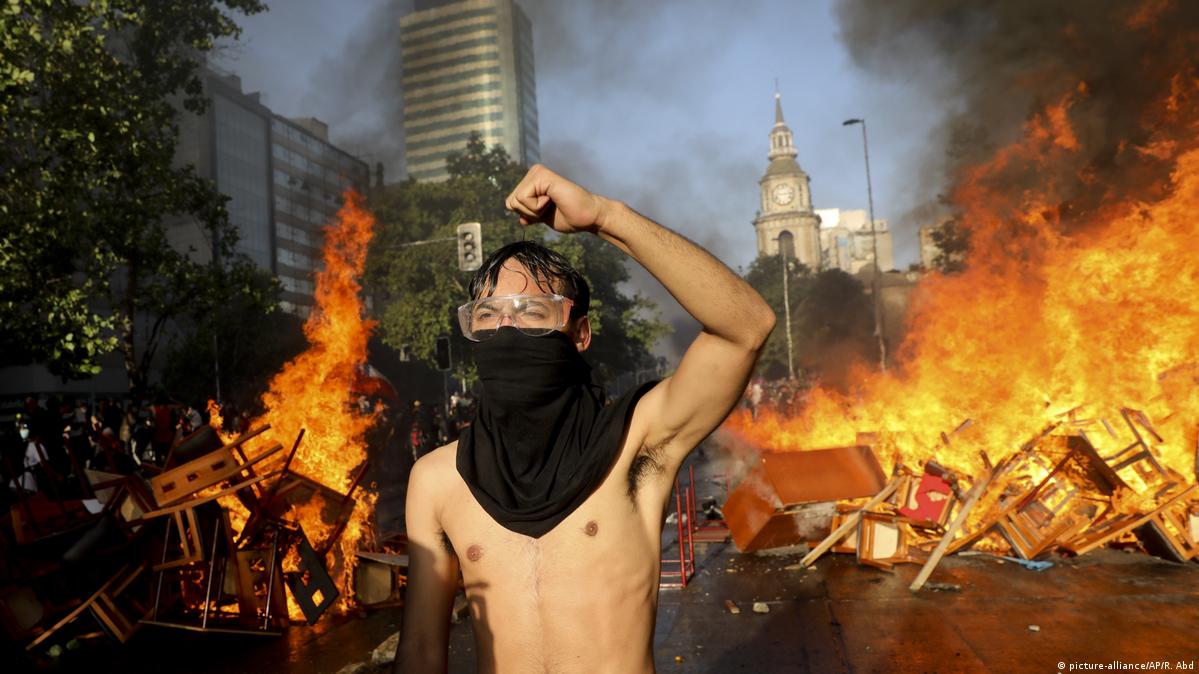
Hundreds of transport workers in Chile have blocked roads and highways across the country in protest at surging fuel prices. Bus and lorry drivers began the action on Tuesday, gathering in convoys to halt traffic on major routes, and they are demanding relief from diesel prices that have been pushed up by the war in Iran. Talks between government officials and protest leaders failed to produce a resolution, and another meeting was expected on Wednesday. The protest is organised by the Fuerza del Norte trade union and the No+TAG civic protest movement, and it presents a fresh challenge to President José Antonio Kast.
The protesters' case rests on the sheer scale of the price rise. Industry groups say the average price of diesel has risen 74% since March. Fuerza del Norte represents around 80% of Chile's lorry drivers, which gives the stoppage weight across the freight network. Juan Cornejo, president of the Association of Intercity Bus Owners, which represents 14 mid-sized companies, told AFP that the sector had reached its limit and had spent more than a month working with negative numbers. Lorry driver Claudio Elguezabal, 47, said he was no longer making any profit and sometimes had to put in his own money to cover the client. No+TAG spokesman Andrés Alarcón said there was no point of agreement with the government that could offer a solution for everyone, and that the strike continued.
The government's response is that blocking highways harms the wider economy and that the price problem has external roots. Economy Minister Daniel Mas called for further dialogue but warned that at some point the highways would have to be cleared, saying the protests were affecting economic activity and exports and that the country needed to get moving again. The rise in diesel prices has been linked by the BBC to the war in Iran, which is a global shock rather than a decision made in Santiago, and the government cannot easily reverse it. Any subsidy or tax cut that would offer the drivers relief would also have a cost to public finances, and it would be paid for by other taxpayers who are not behind the wheel of a lorry or bus.
The stakes extend beyond transport. Chile relies on trucks to move goods from mines, farms and ports to cities and export terminals, so a prolonged blockade affects supermarkets, industry and the exports the minister mentioned. The protest also tests the Kast government, which has faced public discontent over fuel prices for months, and it shows how a conflict thousands of kilometres away can reach cost-of-living politics in Latin America. Other fuel-importing countries in the region will watch whether Chile finds a compromise that keeps the roads open and the drivers solvent.
Chile's blockade is a collision between hard-pressed drivers and a government anxious to keep the economy moving. Both sides say they want talks, but they have not agreed on terms. The outcome will show how far a government can shield workers from a global fuel shock.