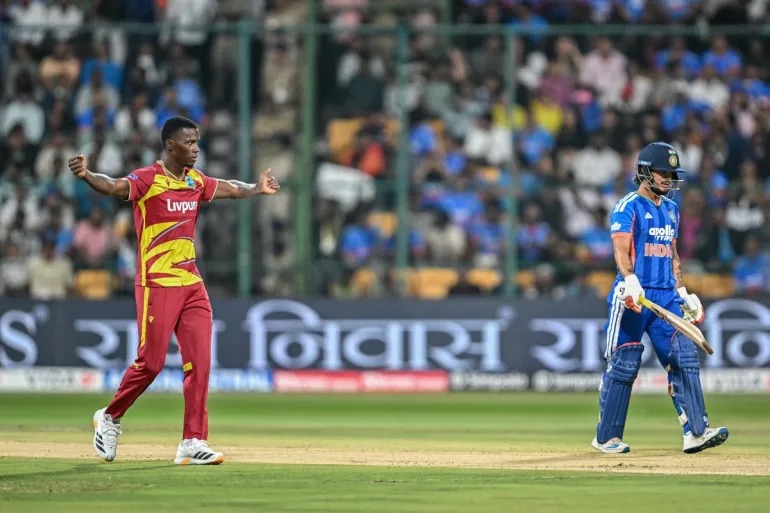
India’s white-ball series against the West Indies ended with the T20I series level at 2-2 after the fifth match in Bengaluru on 17 October was abandoned without a result, with India on 118 for 5 after 7.4 overs of a rain-reduced nine-over innings. India had won the three-match ODI series 2-1. The five T20Is produced two wins for India, two for the West Indies and one no result. The question is whether the series shows a strong India or a bowling attack that is giving up too many runs.
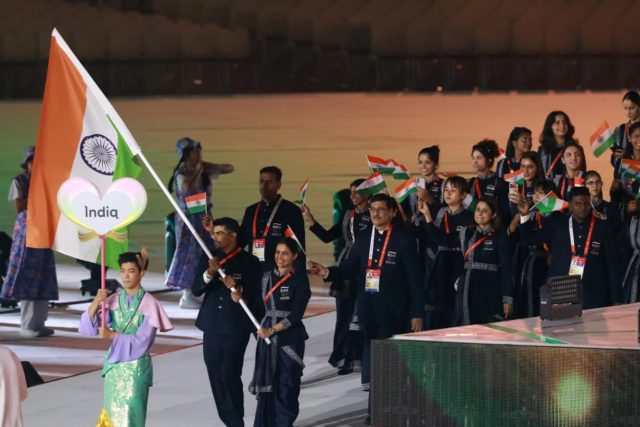
The case that India are the stronger side starts with how they won. In the first ODI in Thiruvananthapuram on 27 September they chased 296 and finished on 300 for 2 with 50 balls to spare, and in the second at Guwahati on 30 September they chased 406 and reached 406 for 2 with 39 balls left. In the first T20I at Lucknow on 6 October they reached 172 for 2 in 14.4 overs to win by eight wickets, and in the third at Indore on 11 October they made 223 and won by 14 runs. Away from the series, ESPN’s scorecard shows that India won the Asian Games men’s cricket final on 3 October by 19 runs against Pakistan, making 211 for 6, with Abhishek Sharma scoring 61 off 28 balls and Tilak Varma 51 not out off 22.
The case for concern is in the totals India conceded. In the second ODI the West Indies made 405 for 7 and still lost, and in the third at New Chandigarh on 3 October they chased down India’s 351 for 7 with 352 for 5 and 10 balls left. In the second T20I at Ranchi on 9 October India scored 249 for 5, and the West Indies replied with 252 for 4 in 18.3 overs to win by six wickets. In the fourth, at Hyderabad on 14 October, the West Indies made 247 for 3 and won by 24 runs when India were bowled out for 223 in 19.3 overs. India scored 249 and 223 in those two T20Is and lost both, which suggests the problem was in the field more than at the crease.
The results matter because they show how high scoring the format has become. Three scores of 247 or more were recorded in the T20Is, and in the ODIs the West Indies made 405 and chased 351, which puts pressure on bowlers and on team selection. In all three ODIs the side batting second won, and in the T20Is the chasing side won two of the four completed matches, so a chase was the more reliable position for most of the tour. For India, the Asian Games gold and the ODI series win show depth, and the T20I defeats are the warning. The five-match T20I series might have been decided by the fifth match, in which India had scored 118 for 5 in 7.4 overs before the rain, and the washout means the series ends level, with neither side able to claim the better of it.
India won the series that mattered more and drew the one that was closer. Their bowlers will want to see these scorecards again.