New Zealand does not yet know which government it elected on Saturday, with final results not due for more than two weeks. With 98 percent of the ordinary vote counted, National and Labour were each on 29.27 percent, separated by only 41 votes, according to the news site The Spinoff. It was the tightest election in years. A National-led conservative coalition with the Act Party and NZ First is projected to win a combined 67 seats in a parliament of 131, a narrow one-seat majority, and nearly 400,000 special votes, which are those cast overseas or outside a voter's own electorate, are still being counted. Final results are due on 27 November and the official confirmation of MPs on 3 December.
The argument that the coalition has been re-elected rests on the numbers on the night. The three parties of the incumbent government had the backing of almost exactly 50 percent of the total vote, and the Greens and Act both set record results, according to The Spinoff. National's strong performance in electorate seats, which left it holding 42, gives the right a clearer route to power than the left has. Act leader David Seymour has said he is interested in the finance portfolio and that the government "barely survived", while party leaders have said they will wait for final results before formal talks. The country has also not had a one-term government in more than 50 years, which analyst Max Rashbrooke said means National "should have been safe".
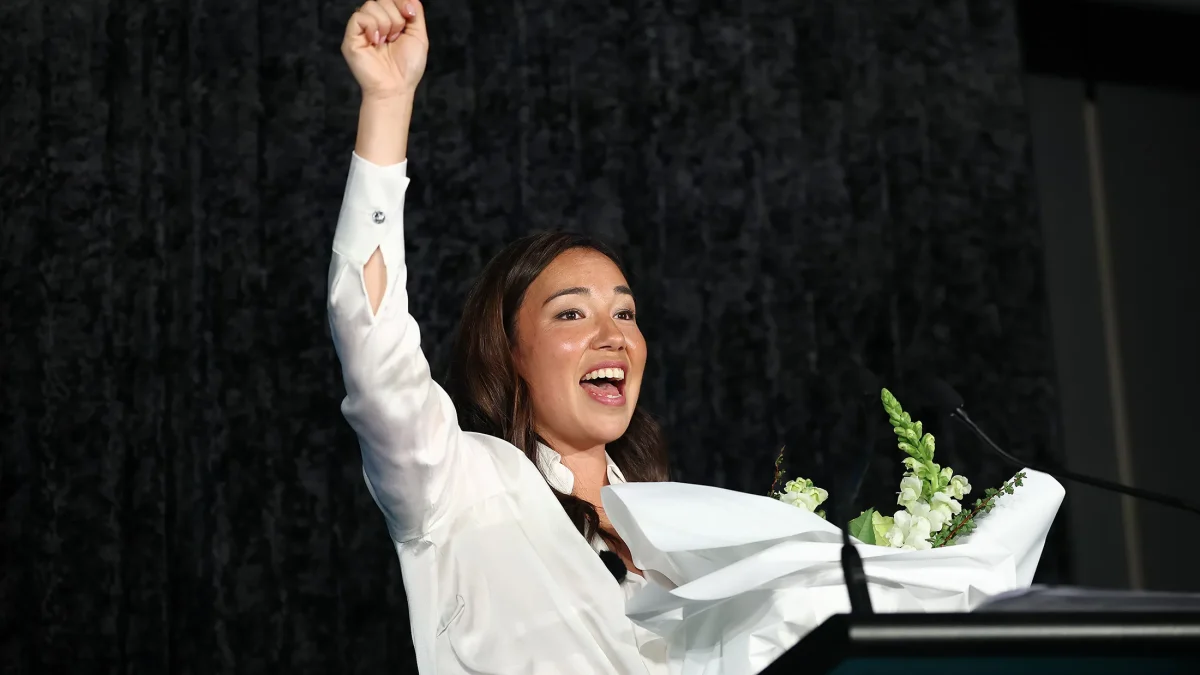
The counter-argument is that the result is much weaker for the government than the seat count suggests. National's party vote is almost nine percentage points lower than in 2023, and it lost senior ministers including Finance Minister Nicola Willis, Justice Minister Paul Goldsmith, Transport Minister Chris Bishop and House Speaker Gerry Brownlee. Despite finishing level with Labour on votes, National holds seven more seats because of overhang seats, which arise when a party wins more electorates than its share of the party vote entitles it to. Special votes lean left because they come more often from younger people and renters, according to politics lecturer Claire Timperley, so the final count could narrow the one-seat majority. The new Opportunity Party, led by Qiulae Wong, cleared the threshold with about 6 percent and is projected to win seven seats, and it says it is open to joining either side.
The outcome matters because the mood in the country is grim. A record number of New Zealanders are leaving for better job prospects, with more than 114,000 people migrating out in the year to August, and the campaign was dominated by the cost of living and a stagnating economy. Prime Minister Christopher Luxon had ruled out working with Opportunity but told RNZ he wanted to talk to Wong "shortly", and Labour leader Chris Hipkins has said it may take longer to work out what voters said. Analysts describe a splintering of politics, in which smaller parties now hold the balance.
For now, the most likely outcome is that Luxon stays in office with a thin majority and a weaker party behind him. The special votes will decide whether the coalition holds its 67 seats or has to turn to Opportunity, and the answer will not be known until the final count on 27 November.