Thai authorities are racing to provide safe water to more than 20,000 households in the north of the country after unsafe levels of arsenic, linked to mining operations across the border in Myanmar, were found in the local water supply. Prime Minister Anutin Charnvirakul late on Tuesday ordered government agencies to find alternative water sources and to closely monitor tap water quality in Chiang Rai province, according to deputy government spokeswoman Lalida Persvivatana, Al Jazeera and AFP reported. The episode has turned a long-simmering environmental concern into an urgent public health problem and into a diplomatic issue between Thailand, Myanmar and China.
The numbers explain the alarm. Tap water supplies to thousands of homes in 14 villages in the Mae Sai district, near the Myanmar border, were suspended earlier this month after officials found arsenic levels in the local waterworks at 30 times the safe limit. Authorities also found arsenic in untreated water from the Sai River, a tributary of the Mekong River, at 25 times the limit for drinking water. Two trucks have been deployed to supply residents with clean drinking water, and the government is considering alternative river water sources. In total, more than 20,000 households are affected by the response.
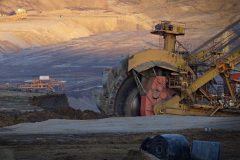
Where does the arsenic come from? Researchers at Naresuan University said last week that chemical analysis and satellite modelling traced much of the arsenic-laden sediment in the Sai River to gold mining operations across the border in Myanmar. Al Jazeera reports that a surge in rare earth mining in rebel-held pockets of Myanmar, supplying Chinese processing plants, is being blamed for toxic levels of heavy metals in Thai waterways, including the Mekong River. The two accounts overlap and are described together in the coverage: gold mining is identified by the Naresuan University researchers as the source of much of the sediment in the Sai River, while the wider surge in rare earth mining is blamed for heavy metal contamination across the region.
The link to Myanmar's civil war is central to the story. The country's long-running conflict, the report notes, enables the unregulated exploitation of natural resources, including rare earth elements that are used in smartphones, wind turbines and electric vehicles. When mines operate in territory held by armed groups, there is little regulation or monitoring, and nobody to enforce rules on how mining waste is stored or discharged. That is why contamination can arrive in another country's rivers without any government on either side having authorised it. Researchers cited in the coverage say that many of the mining operations in Myanmar are Chinese-run, which brings Beijing into the diplomatic picture.
Thailand has begun to press the issue at the highest level. Thai Foreign Minister Sihasak Phuangketkeow raised what he called a "dramatic" increase in pollution in the Sai River during a visit last week to Myanmar to meet government officials. He blamed "wastewater from mining" and described it as an "urgent matter that needs urgent attention". The Thai government says it has also discussed the issue with Beijing. The reports do not say how Myanmar or China responded to the Thai requests, and neither government is quoted in the coverage on the question of responsibility.
The danger does not stop at the Thai border. There are fears that the pollution is being washed far down the Mekong River, a waterway that supports millions of people in several countries. A health check in the northeast of Thailand underlines why officials are worried: Thai authorities said arsenic had been found in the urine of 17 out of 177 people tested in October in Nong Khai province, which sits on the border with Laos. That is roughly one in ten of those tested, though the report does not say whether the people tested were chosen at random or because they were considered at risk, and it does not say what levels were found, so the figure should not be read as a measure of the whole population's exposure.
Arsenic is a naturally occurring element that becomes dangerous when it enters drinking water in concentrations above recommended limits. Public health agencies have long warned that sustained exposure through water can harm health, and that is the reason regulators set strict limits on it. The coverage does not describe any cases of illness in Chiang Rai, and no deaths are reported. What it does show is that the tap water in the affected villages was judged unsafe, so supplies were cut, and that in a separate province, the urine tests picked up arsenic in a number of residents.
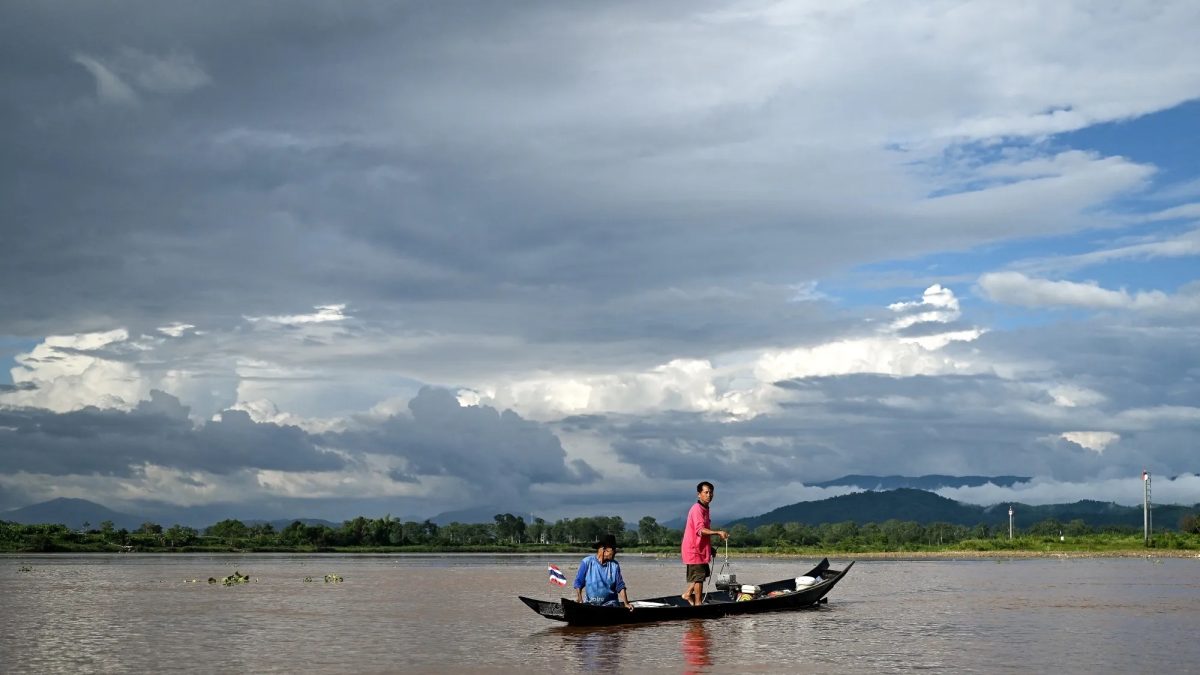
For villagers, the practical impact is immediate. Households whose taps are shut must rely on deliveries from trucks, and farmers who draw on river water face a different worry. The photograph that accompanies the Al Jazeera report shows a Shan farmer in Chiang Mai province irrigating her crops with groundwater instead of river water, amid increased rare earth and gold mining at the river's source in Myanmar. It illustrates how communities are already adapting by switching away from the river where they can, but groundwater is not available to everyone, and the Mekong system matters for fishing, farming and drinking water on a vast scale.
Thailand's response also exposes a structural difficulty. The most effective solution would be to stop the contamination at its source, but the source lies across a border in territory affected by civil war, where mining operators answer to armed groups and not to ministries. The Thai government can monitor water quality, supply alternatives and press diplomatically, but it cannot regulate mines in another country. That is why the foreign minister's trip and the discussions with Beijing matter: they are attempts to put the problem on the agenda of the governments and companies with influence.
The broader lesson is about the hidden cost of the supply chains that feed the green and digital economy. Rare earths are essential to electric vehicles, wind turbines and smartphones, yet the places where they are extracted can bear heavy environmental costs that never appear in the price of the finished products. The case of the Sai River shows that those costs can cross borders, reaching communities who have no connection to the mines or to the consumers at the end of the chain.
In the short term, the test is whether the trucks, alternative sources and monitoring ordered by the prime minister can restore safe water quickly to the 14 villages and the wider area. In the longer term, the test is whether Thailand, Myanmar and China can agree on measures that reduce the flow of toxic waste into shared rivers, and whether downstream countries along the Mekong will be told what is reaching them. Until then, residents of Mae Sai and communities further down the river will be watching the water, and the authorities, closely.