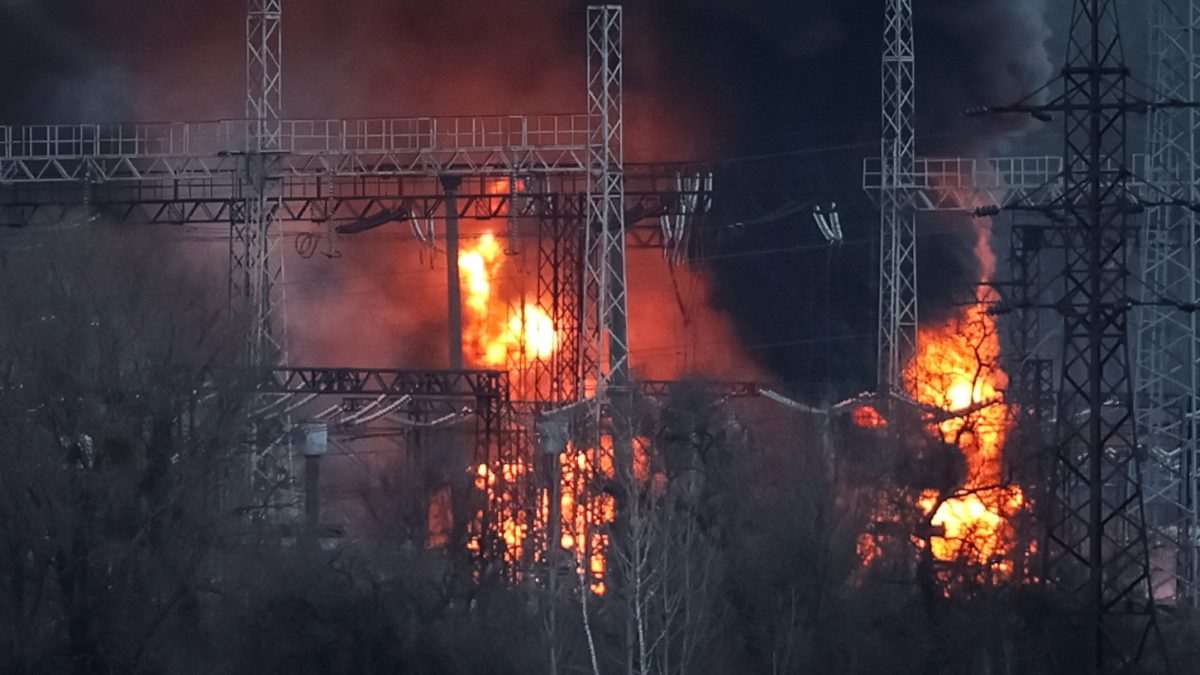
Ukraine is entering winter with its electricity system under heavier strain than a year ago. Russian missile and drone strikes on power plants, lines and substations have forced a rolling schedule of planned blackouts across the country since October, and in Kyiv the cuts are already lasting longer than they did last winter. The BBC reported on Thursday from the capital and from one of Ukraine's largest power stations, which was knocked off line by what officials described as the most powerful attack of Russia's campaign against energy targets. Ukraine has responded by striking Russian oil refineries, while negotiators met this week for talks that ended without a breakthrough.
The case that the grid is close to critical rests on the scale of the attacks. Since August there have been almost daily strikes on power facilities, killing several energy workers every week. Kyiv resident Daryna Kulchytska described days when her family had power for only four or five hours, with two hours of electricity followed by eight without. Officials privately warn that life becomes unsustainable for millions of people if supplies fall below four hours a day, and some families in Kyiv are already living with outages of up to 20 hours. Maxim Timchenko, chief executive of DTEK, Ukraine's largest private energy company, said the attacks have doubled in power and scale, and that rebuilding the destroyed station would take until at least next summer because crews under fire can manage only one or two productive hours a day. At the plant the BBC visited, air raid warnings sounded seven times in four hours.
There are, however, reasons to resist the most pessimistic reading. President Volodymyr Zelensky says Ukraine still has enough generating capacity to meet demand, so the central problem lies in getting electricity to homes through damaged lines and substations rather than in a lack of power itself. That is a problem of repair and air defence, which Ukraine has solved before. Workers at the destroyed plant said they had already rebuilt it once and returned it to service, and the site's veteran engineer of 25 years was confident it could be repaired again. The scheduled outages are also a managed measure designed to spread the burden and keep the system from collapsing completely, and the BBC reported that hundreds of thousands of people, not the whole population, have been without power in recent weeks. Ukraine's own refinery strikes show it is imposing costs on Russia in return.
What happens to the grid this winter matters well beyond Ukraine. Millions of people in a country of cities depend on electricity for heating, water pumping and lifts, and many families are choosing to leave Kyiv or Ukraine altogether to escape months of cold, which raises the prospect of fresh displacement into neighbouring European states. Winter also gives Moscow leverage at the negotiating table, since a struggling civilian population strengthens its hand in talks that have so far produced no breakthrough. For Ukraine's allies, the question is whether more air defence and repair equipment can be delivered fast enough to keep essential services running.
Ukraine's grid is badly damaged but not defeated. Capacity exists and repair crews keep working, yet the pace of attacks is outrunning the pace of repair. How far the cold and darkness reach this winter will depend on the air defences protecting the system.