US consumer prices rose 0.6% in September and 3.7% over the past year, with gasoline up 9.1% in the month accounting for half the increase, the Bureau of Labor Statistics reported on 14 October.
US consumer prices rose 3.7% in the 12 months to September 2026 after climbing 0.6% in the month, according to the Bureau of Labor Statistics report released on 14 October and summarised by CNBC. Economists surveyed by Dow Jones had expected increases of 0.6% for the month and 3.6% for the year, so the monthly figure was in line and the annual figure a tenth of a point above expectations.
Energy was the main driver. Gasoline rose 9.1% in September and accounted for half of the increase in the index, according to the summary. The broader energy index, which includes gasoline, electricity and fuel oil, rose 5.2% in September after a 2.1% increase in August. Over the past 12 months energy prices have risen 20.4%, and pump prices are up 34.2% compared with a year earlier.
Core inflation, which excludes food and energy, was 2.6% over the year after a monthly rise of 0.3%, according to the same summary. The shelter index, which has a large weight in the index, rose 0.4% in September after rising 0.3% in August. A separate item in search results says that core CPI rose 0.33% in the month and exceeded expectations for the second month in a row, so the monthly rate is consistent with the 0.3% figure above.
The gap between headline and core inflation shows that the recent increase comes from fuel. Headline inflation of 3.7% is well above the Federal Reserve’s target of 2%, while core inflation of 2.6% is much closer to it. The sources attribute the rise in gasoline prices to developments in the oil market, and a separate report notes that crude prices are rising as fighting escalates between Saudi Arabia and Iran-backed Houthi militants.
The inflation expectations of consumers have also risen. A search result headlined that the one-year outlook jumped to 3.9% in October, up from 3.6% in August and the highest since May 2023, though the source is a commentary site and the survey behind the figure is not named, so Delima News treats it as unconfirmed.
The report matters for the Fed. The central bank raised its policy rate by a quarter point to a range of 3.75% to 4.00% on 16 September, and its next meeting is on 27 and 28 October, a decision that Delima News examines in a separate article. A hot inflation report increases the chance of another rise, which is part of why US shares fell on the day of the release.
Households feel the change at the petrol pump. A rise of 34.2% in pump prices over a year is a large increase for a product that people buy often, and the effect on spending can show up in other parts of the economy. The sources reviewed do not give the national average price of gasoline, so it is not stated here.
There are also some figures that the sources do not give. They do not break out food prices, airline fares or used cars, which would help to show how widespread the increase is, and they do not give the revision of earlier months. Readers who need those numbers should look at the Bureau of Labor Statistics release.
The September data show a US inflation rate that is rising because of energy while the underlying rate is moving more slowly, and the next report, for October, will show whether energy prices have stopped rising.
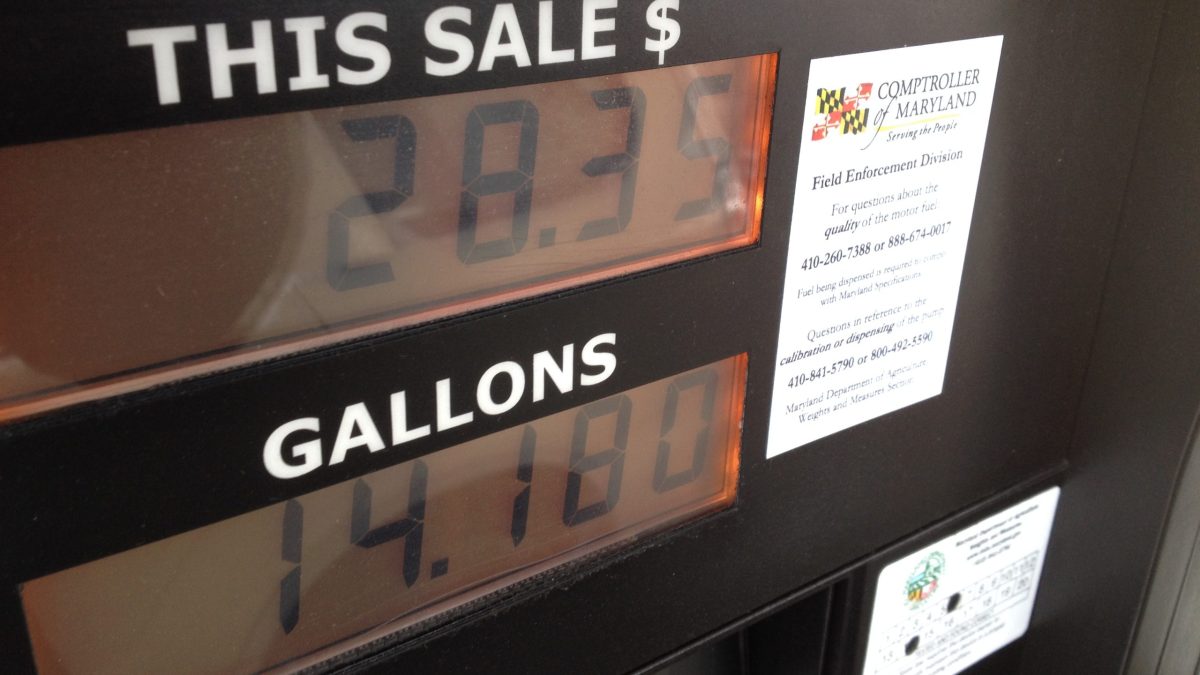
Image: A US gas pump showing fuel prices (file photo). Photo: Ck1media / Wikimedia Commons (CC BY-SA 4.0)