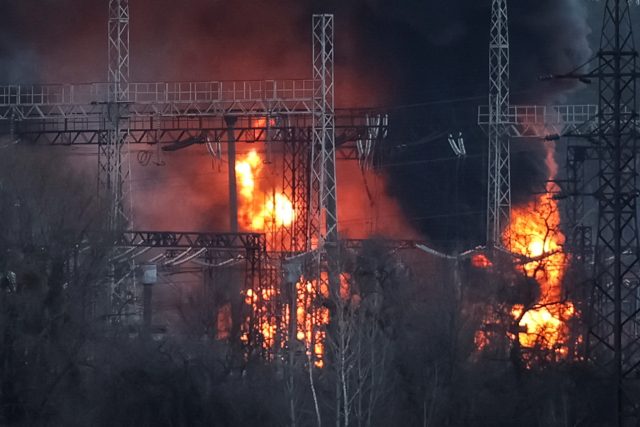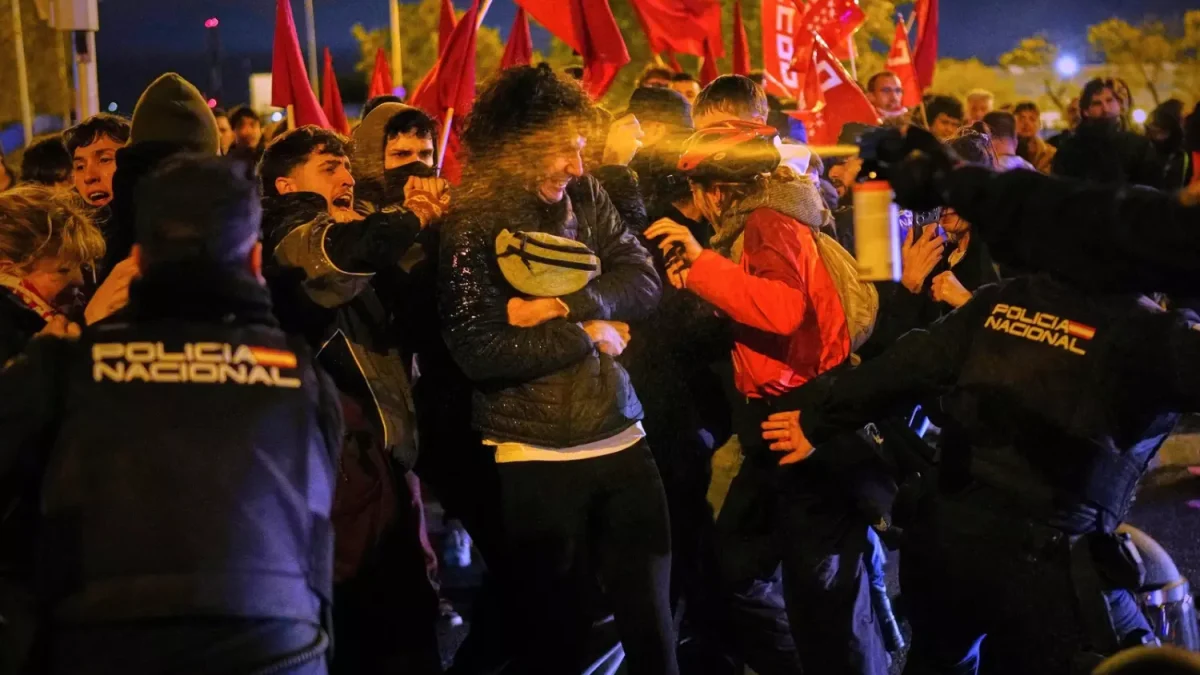
Spain held its first general strike in 14 years on Wednesday, with tens of thousands of people marching in Madrid and Barcelona over housing costs and the rising price of living. The strike was called by the country's main trade unions and ended in clashes in Barcelona, where masked groups set rubbish bins on fire, smashed shop windows and were met by police firing tear gas. Traffic was halted on major roads around both cities, and the interior ministry said dozens of people were arrested for various incidents. The strike comes just weeks before a snap general election on 29 November.
Supporters say the strike was a proportionate response to a housing crisis that has become impossible to ignore. About 120,000 people joined the demonstration in Madrid and more than 50,000 turned out in Barcelona, and the leaders of the UGT and CC OO unions described participation as massive and very significant. The numbers behind the anger are stark. The monthly cost of a 50 square metre apartment in Madrid averaged 1,170 in October, according to the property portal Idealista, while Spain's average gross monthly salary is about 2,460. That is nearly half of average pay, well above the 30% level that housing experts and public institutions generally regard as affordable. The protests were sparked by the eviction of 87-year-old Maricarmen Abascal from the Madrid flat she had lived in for seven decades, after her rent was tripled. She died in hospital weeks later.
Critics make several counterpoints. Miguel Garrido, vice-president of the CEOE, Spain's biggest business association, said businesses have little to do with the price of housing, so a strike that disrupts them targets the wrong party. Conservative People's Party leader Alberto Núñez Feijóo called the strike nonsense, and his party accuses the Socialist government of exploiting it for electoral gain, noting that Prime Minister Pedro Sánchez and his ministers actively encouraged workers to take part. The PP is leading in the polls, and a right-wing government looks the most likely outcome of the 29 November vote. The violence in Barcelona, including looting of shops and attempts to enter the Apple Store, gave opponents further ammunition, although a woman who attended the protest told the BBC it was mostly peaceful and joyful, with many children and elderly people present.
The strike matters because housing has become the central political question in Spain. Sánchez called the snap election last month after parliament failed to approve his housing reform plan, meaning the dispute over rents is now directly shaping who governs. The last general strikes, in 2012 under conservative prime minister Mariano Rajoy, were aimed at a government. This one was backed by it. Across Europe, where rents have risen faster than wages in many cities, the Spanish case will be watched as a sign of how far housing anger can reshape national politics.
Spain's general strike put a housing affordability crisis at the centre of a national election campaign. Whether it helps Sánchez's Socialists or deepens the case for a change of government will be decided on 29 November.