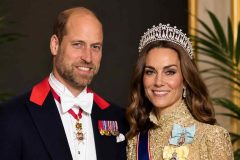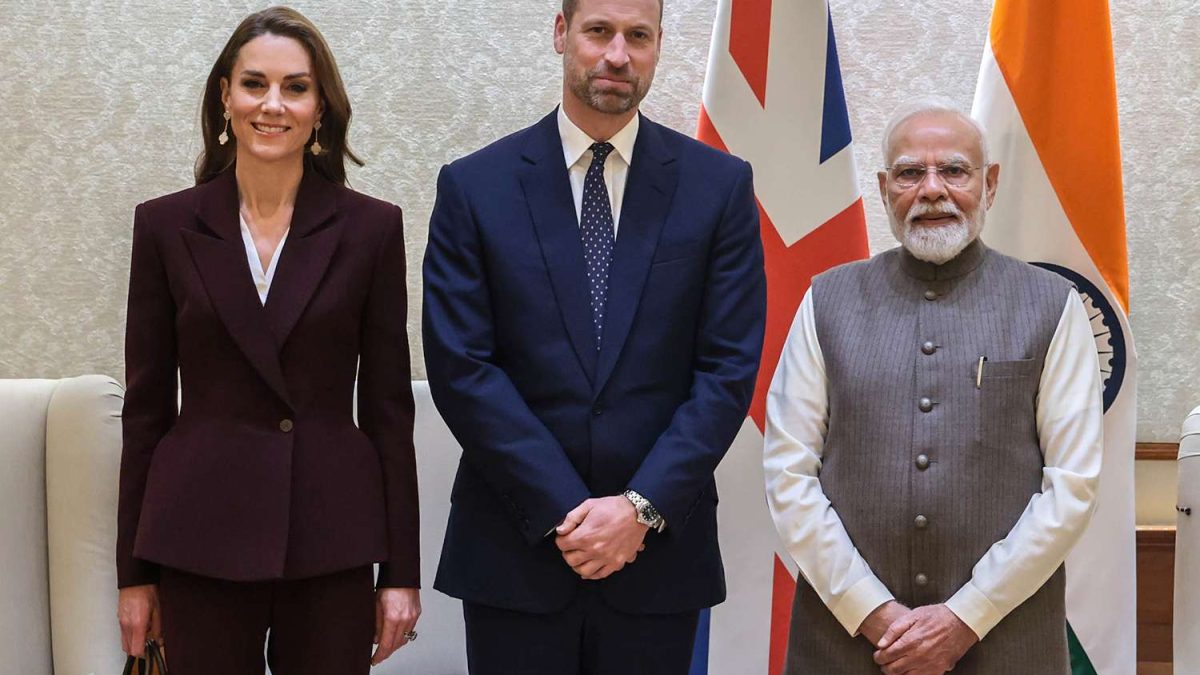
The Prince and Princess of Wales met Indian Prime Minister Narendra Modi in New Delhi on Wednesday, 18 November, as they ended a three-day visit to India. According to the BBC, Modi thanked Prince William for bringing his Earthshot Prize to India. The tour, the couple's first international trip since 2022 and their first official overseas tour in four years, came a day after they presented £1 million prizes to the winners of the environmental award in Mumbai. On Wednesday they travelled from Mumbai to the capital for the final leg of the tour.
The case that the visit was a success rests on how neatly it combined diplomacy and personal causes. During the meeting at Modi's private residence, a Kensington Palace spokesperson said the three discussed the "strength and importance of the UK-India bilateral relationship, reflecting on the deep and enduring ties between the two countries and the opportunities to strengthen their partnership in the years ahead". The couple spoke warmly about their time in India and thanked the prime minister and the people for their welcome, saying how much they enjoyed returning a decade after their last visit. Modi called it a "pleasure" to meet them and said he looked forward to "further strengthening" the UK-India partnership for "the shared prosperity of the people of our nations and the wider world". The spokesperson said the talks also covered the success of the Mumbai ceremony and India's "growing leadership in environmental innovation".
Supporters of the royal visit point out that the choice of India for the first Earthshot ceremony held there was deliberate. When Prince William announced it earlier this year, he cited India's leadership in climate innovation, its biodiversity and its large youth population as the reasons. The prize, which he founded in 2020, remains one of his biggest personal projects, and this year's ceremony was hosted by Karan Johar, the filmmaker who presents The Traitors India. The couple's visit also included lighter moments, which the BBC reported: street cricket with a legend, a metro ride and a visit by William to a film production company where he met film stars. These appearances help explain why such tours are valued as soft power, since they reach audiences far beyond official meetings.
The counterpoint is that the trip was short and that royal visits, however warmly received, do not themselves produce trade or policy outcomes. The three days were a brief programme compared with a full state visit, and the BBC itself describes the tour as short. The statements issued after the meeting with Modi speak in general terms of strengthening ties and shared prosperity and do not announce any new agreement. Critics of royal diplomacy typically argue that such tours rely on goodwill rather than concrete deliverables, and nothing in the reported statements contradicts that view. The BBC notes that the UK government regards the couple as a valuable diplomatic asset.
Some of the most memorable moments were human rather than political. At the Nowrosjee Wadia Maternity Hospital in Mumbai, Catherine met Jyoti Karande, a 29-year-old mother who lost a baby after giving birth to premature twin girls, while her other child remains in intensive care. Catherine told her, "Stay strong. Well done. You've clearly been very, very brave." This kind of private encounter often carries more public resonance than formal speeches, and it also underscores Catherine's return to international duties. The BBC notes that she is recovering well following her cancer treatment and that visits of a similar kind can now be expected to fill the couple's calendar.
The relationship the royals were highlighting has real momentum behind it. The couple last met Modi during their official visit to India in 2016, and the Kensington Palace account stresses the "deep and enduring ties" between the two countries. For India, hosting the Earthshot ceremony and receiving the heir to the British throne is a mark of its standing on climate innovation. For the UK, it is a way to reinforce a partnership that both governments describe as a priority, without the weight of formal negotiations.
The conclusion is that the tour was a modest but effective piece of diplomacy. It did not change policy, and nobody claimed that it would. What it did was keep the UK-India relationship visible, give a major environmental prize a new stage and show a couple returning to their international role after a difficult few years. Whether it leads to anything more concrete will depend on the governments, not the royal household, and Delima News will report if follow-up announcements are made.