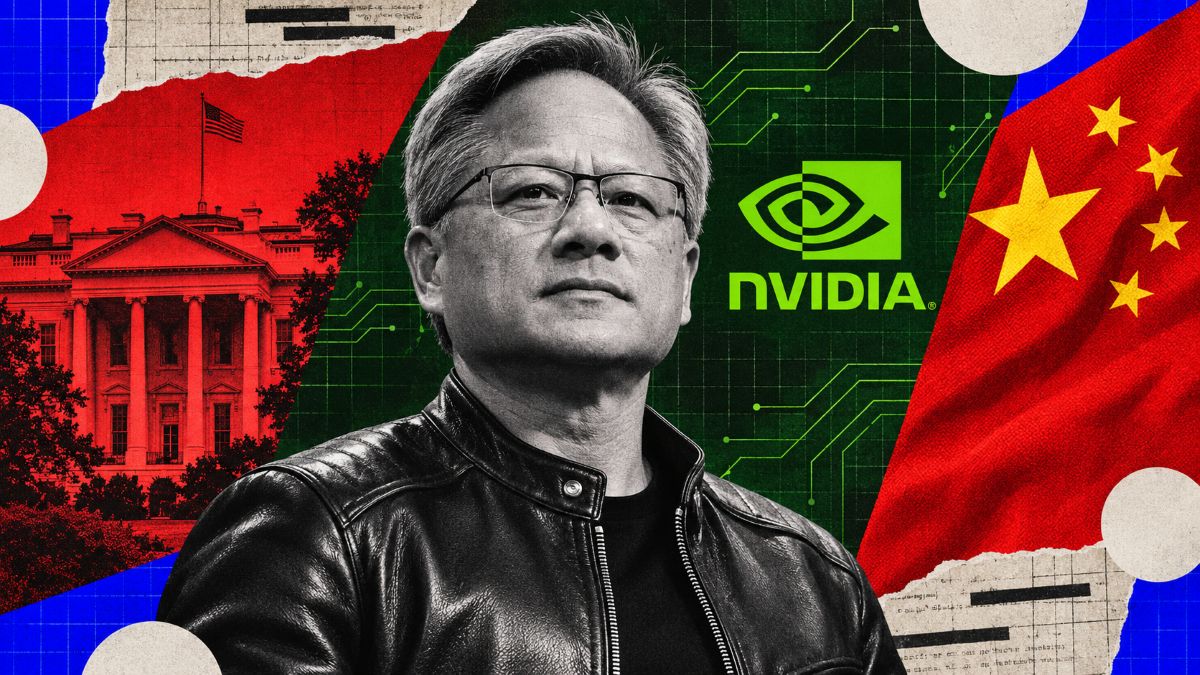
Nvidia, the world's most closely watched chipmaker, is under pressure over the conduct of its chief executive. The company's board launched an independent external investigation on Sunday after a New York Times report that Jensen Huang had a close relationship with a Chinese businesswoman who US intelligence officials believed was a spy for Beijing. Huang has admitted he was unfaithful to his wife and apologised. On Wednesday, a further report alleged a second relationship, with a company executive, and the board was reported to be meeting to decide his future. Shares fell about 4% on Monday. These are allegations; no wrongdoing involving company secrets has been established.
The case for a serious response is built on what Nvidia represents. The company sits at the centre of the AI race between the United States and China, and the US has used export controls since 2022 to keep top chips out of Chinese hands. Taiwan Semiconductor Manufacturing Company makes more than 90% of the world's most advanced chips, giving Nvidia's designs outsized strategic weight. Huang once said Nvidia's share of the Chinese market had fallen from about 95% to effectively zero. The woman named in the reports, Alice Huang, no relation, was a managing director at Singapore-based Megaspeed between March and November 2023, a firm now under investigation by the Singapore government over allegations it circumvented chip export controls. Three US congressmen have asked Huang to appear for a closed-door briefing on his dealings and the company's security protocols, writing that the reports raised significant national security concerns.
The counter-argument is that the evidence for harm is thin. Nvidia says it has no reason to believe the company's secrets or national security were compromised and says earlier suspicions about Megaspeed were investigated and debunked. China's foreign ministry called the spy allegations entirely groundless, speculative and intended to smear and malign China. The BBC reported that it remains unclear what intelligence, if any, was gathered or passed on. Huang's admission concerns his marriage, which is a personal matter, and the board itself had earlier said his interactions with the woman were not unusual or unexpected. Other prominent technology leaders, including Elon Musk, have publicly backed him to keep leading the company, and removing a co-founder of Huang's standing would leave an unclear succession, with names such as co-founder Chris Malachowsky and chief financial officer Colette Kress floated by analysts.
The outcome will matter well beyond Nvidia's boardroom. The company's chips power much of the world's AI development, so uncertainty at the top affects customers, investors and governments that depend on its supply. Huang has also acted as a go-between for the company and Washington in the dispute over selling chips to China, and the reports raise the possibility that his influence on US policy will be questioned. The case will also test how companies handle personal conduct that overlaps with national security, a question that is likely to come up again as technology firms grow more entwined with geopolitical rivalry.
Nvidia faces a governance decision with geopolitical weight. The board's investigation will decide whether the allegations remain a personal scandal or become a corporate and security matter. Until its findings are public, much of the story rests on reporting rather than proof.