There are judgments that change laws, and there are judgments that change what people are allowed to say out loud. On Thursday, November 19, in The Hague, the International Court of Justice delivered one of the second kind. It found that Myanmar committed genocide against its Rohingya minority, the first time the world’s top court has reached that conclusion about any state.
For the Rohingya, who have spent years being described by officials as illegal migrants, the word on the page carries a weight no press release could match.
What the court found
The ruling came in the case brought by The Gambia, which filed it in November 2019. According to UN News, the 200-page judgment was delivered by Judge Yuji Iwasawa. The court concluded that Myanmar committed genocide and also failed to prevent and punish it. It found that Myanmar’s security forces killed thousands of Rohingya civilians and carried out widespread sexual violence during the 2017 “clearance operations” in Rakhine state.
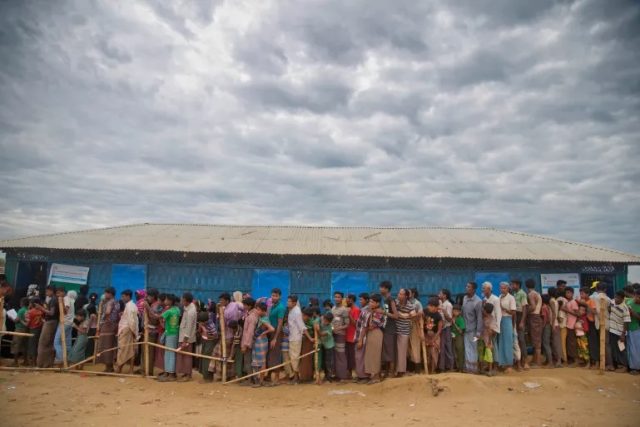
Figures from that period vary by source. UN News reports that around 700,000 Rohingya fled to Bangladesh. Another summary of the case describes the 2017 campaign as killing some 10,000 people and driving hundreds of thousands from their homes. Different counts reflect how difficult it is to document atrocities in a place where journalists and investigators were barred for so long. What no credible source disputes is the scale of the exodus, which turned the camps around Cox’s Bazar into one of the largest refugee settlements on earth.
UN Secretary-General António Guterres called the judgment a “powerful recognition of the Rohingya victims of genocide.”
Why “first” is the word that matters
According to the analysis in an international roundup, this is the first time the ICJ has found a state guilty of genocide, and the fourth time since the Holocaust that any world legal body has made such a finding. UN News also describes it as the first such ruling against a state by the court.
It helps to understand how rare that is. Genocide has a very specific legal definition. It requires proof not just of killing or abuse but of the intent to destroy a protected group, in whole or in part. That intent is notoriously hard to prove, which is why courts have historically been cautious. A finding like this one tells us the judges were persuaded by the pattern of evidence, not only by individual crimes.
There is also something worth saying about who brought the case. The Gambia, a small West African country, took on a military-ruled state far away, with no direct stake except a shared commitment to the Genocide Convention. Whatever one thinks of the politics, that is the kind of act the convention was written to make possible.
What the court ordered
The ruling is not only a statement; it comes with remedies. The roundup describes orders covering repatriation of refugees, restitution and guarantees of protection within Myanmar. In plain terms, the court is saying that the people who were driven out should be able to go home, that harm should be repaired where possible, and that they must be kept safe if they return.
Here is the hard part. The ICJ has no police force and no enforcement arm. Its judgments are binding in law, but making them stick depends on the Security Council, on political will and on the pressure that other governments are willing to apply. Myanmar has been under military rule since the 2021 coup, and a government that has long rejected the genocide charge is unlikely to start dismantling it voluntarily. Nobody should pretend that a verdict by itself will put refugees on buses back to Rakhine.
What it means for the people in the camps
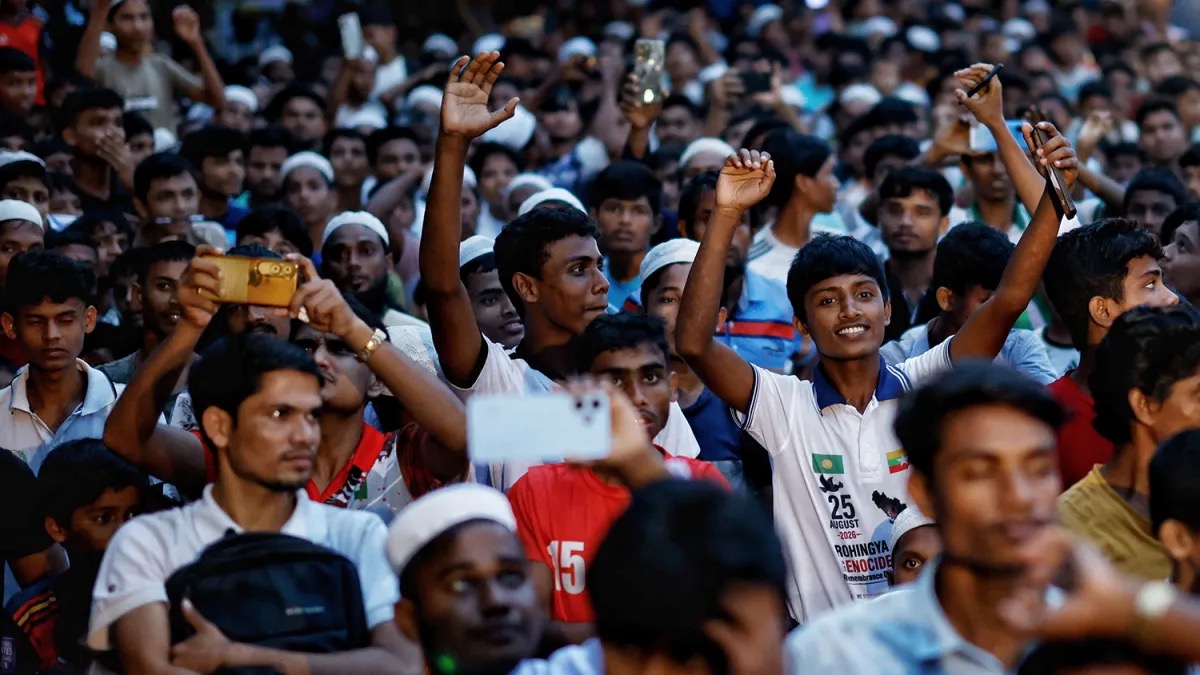
It is easy, in writing about a court, to drift away from the people the court is about. So consider what this day might feel like in a bamboo-and-tarpaulin shelter in Bangladesh, where families have now waited years. For some, the ruling is vindication. For others, it may sound distant, a victory in a language and a building they will never see. Both reactions are human, and both deserve respect.
Aid agencies have been warning for a long time that funding for refugee operations is shrinking even as needs grow. Recognition does not fill a ration bag. If the verdict is to mean something in daily life, it has to be followed by money, by security guarantees and by a realistic path home.
The ripple effects
Legal analysts are already asking what the decision means beyond Myanmar. Max Pensky, writing in The Conversation, argues that the ruling could influence other cases, particularly the one South Africa brought against Israel at the same court. That is his analysis, and the ICJ has not signaled how it will approach any other matter. But it is fair to say that a precedent has now been set about how the court weighs evidence of intent, and lawyers in other proceedings will study this text closely.
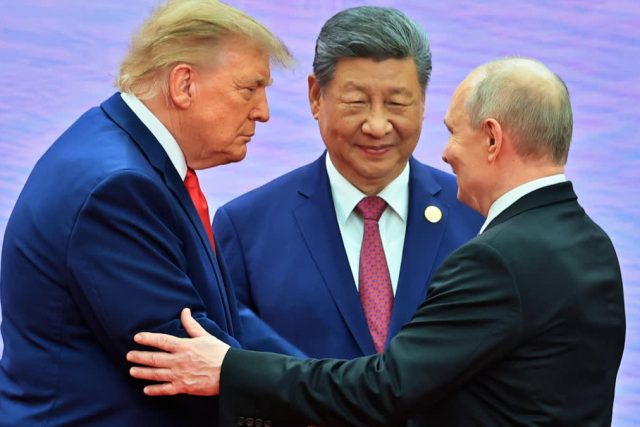
The ruling also lands in an awkward week for the international legal order. Just as the ICJ was asserting its authority, a trilateral declaration from the leaders of the United States, China and Russia included a complaint about the International Criminal Court, a separate institution. Different courts, different mandates, but the same underlying argument about whether international law should bind powerful states and their officials.
A careful word about responsibility
It is worth being precise about one thing. The ICJ decides disputes between states. It found the Myanmar state responsible. That is different from the criminal prosecution of individuals, which is handled elsewhere. Responsibility for specific commanders and officials remains a separate legal track, and a state-level finding does not by itself send anyone to prison.
That distinction can feel frustrating, because survivors tend to want names and consequences. But law moves in steps, and this is a significant one. It creates a record that governments, courts and historians can build on, and it closes off a comfortable argument that what happened in 2017 was merely a counter-terrorism operation gone wrong.
What happens next
Several things are worth watching in the coming weeks and months.
Whether Bangladesh and other host countries step up diplomatic efforts, given that they carry the daily burden of hosting refugees.
Whether the UN Security Council discusses enforcement, and whether any permanent member blocks it.
Whether donor governments commit new funds to Rohingya relief, which has been squeezed by wider aid cuts.
Whether Myanmar’s authorities respond with defiance, silence or any move toward compliance.
And whether other states that have long said “never again” are willing to attach real consequences to the phrase.
The human thing to remember
Behind the legal language is a very simple story. A community that was told it did not belong was burned out of its villages, and for years the world argued about what to call it. Thursday’s ruling answers that argument, at least in the highest court available.
That does not give anyone back a home, a relative or a childhood. But it does something small and important: it says, in the formal language of the world’s most authoritative court, that what happened was real, that it was a crime of the gravest kind, and that the people who suffered it were telling the truth. For many Rohingya, being believed has been the thing they waited longest for.