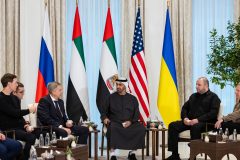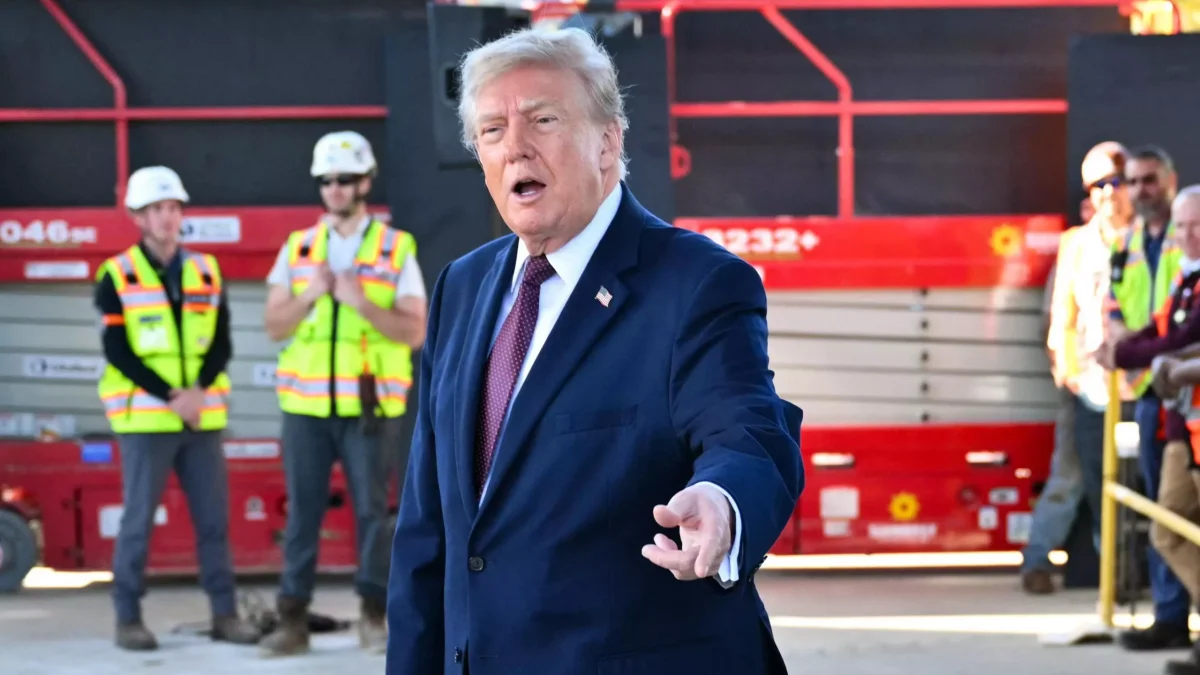
U.S. President Donald Trump predicted on Thursday, 5 November 2026, a "very big" deal with Russia involving not only the Ukraine war but "all of Europe", after he met Russian leader Vladimir Putin's envoy at the White House. Trump said he had an unscheduled meeting with Kirill Dmitriev, who was in Washington for talks with Ukrainian officials hosted by First Lady Melania Trump. "I can't tell you what I discussed. But I'm just telling you, it's going to be an agreement, it's going to be a big agreement," he told reporters in the Oval Office. The remarks come days before trilateral talks between Russia, Ukraine and the United States in Abu Dhabi, the first since February.
The argument that a deal may be nearer than it looks rests on the small but real steps taken in recent weeks. A localised truce in the Ukrainian city of Oleshky, which Melania Trump announced in October, ran from 27 October to 2 November, and AFP calls it the longest truce so far in the invasion that began in February 2022. Both sides respected it, roads were demined, residents were able to leave for either Ukraine or Russia, and Melania Trump's office said about 800 people were evacuated. Russia's human rights ombudsman and her Ukrainian counterpart were reunited at the White House, and Ukraine's president Volodymyr Zelenskyy awarded Melania Trump the Order of Princess Olga for her role. He also said he held a detailed hour-and-a-half call with U.S. envoys Steve Witkoff and Jared Kushner before the Abu Dhabi talks, which are due on 10 and 11 November.
The argument for caution is that Trump has made similar promises before without result. He said he would end the war within 24 hours of taking office in January 2025, and AFP notes that he has repeatedly touted looming peace deals that never materialised. The Oleshky truce covered one town that had about 24,000 people before the war, while the war is now nearly five years old. His peace efforts have been intermittent, with the Iran war taking much of his attention this year, and a recent rapprochement with Putin has raised concerns in Kyiv that Washington could turn its back on Ukraine. A deal covering all of Europe, negotiated with a Russian envoy and without European governments in the room, is what most worries them.
The remark matters because it suggests that the future of Europe's security order is being discussed in Washington and Moscow before Europeans have taken part. European leaders have meetings of their own planned, including G7 foreign ministers in Marseille on 9 and 10 November and a Coalition of the Willing gathering on 19 November, and they will want a seat before any agreement is fixed. For Ukraine, a deal that trades its interests for a wider settlement would carry heavy costs, and for the rest of the world it would show how far a security guarantee depends on the will of one president.
A big agreement is possible, but the record argues for patience. The Abu Dhabi talks will show whether the promise has substance, and whether Europe is invited to the table where its own future is being settled.