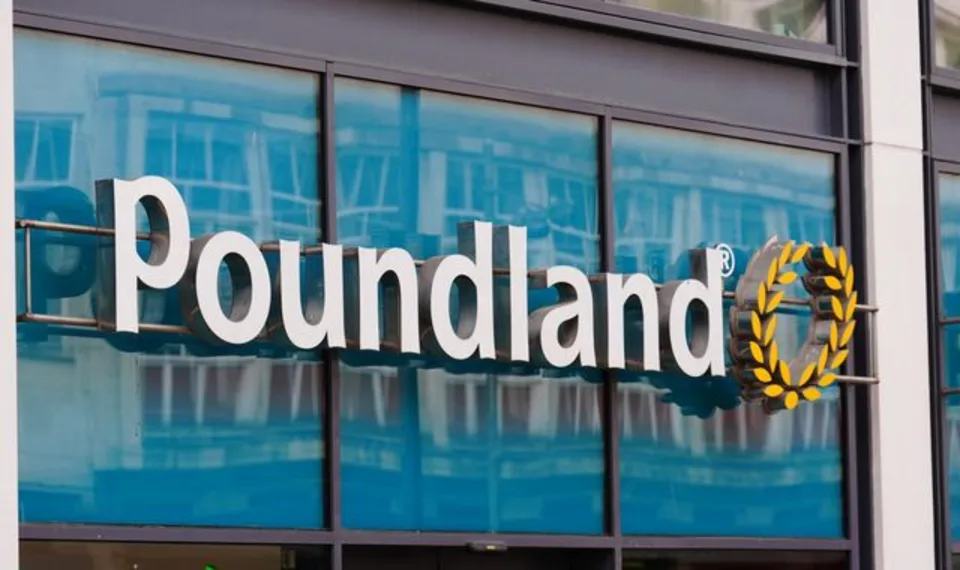
Poundland, the discount retailer with 11,000 employees and 600 shops, is expected to be given more time to secure a rescue deal as emergency talks continue ahead of the crucial Christmas trading period. The chain has been edging towards administration after its owner, the US investment firm Gordon Brothers, blocked it from accessing cash in its bank accounts. A deadline to find a buyer was due to expire at midnight, but sources told the BBC they expect an extension after the release of further funding. Parliament has taken an interest, with Prime Minister Andy Burnham among those calling for answers.
The argument that Gordon Brothers has put the retailer at risk comes from MPs and the company's own management. About £50m was reportedly frozen, leaving the business unable to restock its 600 shops, and Gordon Brothers has since agreed to release a further £9m on top of £10m announced earlier, which would buy an extra 10 days to find a buyer. Three bids on the table have all been rejected. Liam Byrne, who chairs the business and trade committee, said he was deeply concerned and described the firm's behaviour as a wolf on Wall Street on the British High Street. Poundland's chief executive Barry Williams told staff last week that like-for-like sales were up 11.4%, and the chain made a profit of £18.1m in the year to September, a strong recovery from losses of £68m the year before.
Gordon Brothers rejects the accusations and offers a different reading. It bought the chain for just £1 last year, has denied forcing the outcome and describes Poundland as challenged and vulnerable to any potential downturn in future trading. It argues that the best way of securing jobs may be to split the business up and sell chunks of its 600 sites to other retailers, and there has been interest from the likes of Poundstretcher, Tesco and B&M, which could keep staff employed at those locations. Even Poundland's own sales growth comes with a caveat, since the sales period included Halloween and the strong figures say little about how the business will cope with a downturn in future trading. A restructuring specialist that buys distressed companies is in the business of recovering value, and breaking up a retailer may return more than a sale of the whole.
The outcome matters to far more than one chain. Poundland's 11,000 workers face the possibility of losing jobs in the weeks before Christmas, and the stores serve communities that rely on low-priced goods during a cost-of-living crisis, as Byrne pointed out. The dispute is also a test of how far private equity and restructuring firms can go in managing distressed British retailers, and whether Parliament will push for tougher scrutiny of buyers who take large sums out of struggling businesses. High streets that have already lost many well-known names will watch whether a rescue is possible.
Poundland has bought itself some time, but not a solution. Three rejected bids, a frozen pot of cash and a split view of its future leave the chain's fate undecided. The next ten days will determine whether it survives as one business or is sold off in pieces.