Spanish voters face a snap election on 29 November, with the conservatives and the far right favourites to win after eight years of Socialist-led rule under Pedro Sánchez. The left had hoped to focus on Spain's housing crisis, but the government has been buffeted by corruption scandals, a migrant crisis and, most recently, rail disasters that left 115 people dead. Sánchez called the election eight months early, promising "an epic comeback of a progressive Spain". It is his sixth election in 11 years, and the BBC describes it as potentially his toughest yet. The outcome will depend on a handful of leaders and a series of delicate post-election negotiations.
The favourite is Alberto Núñez Feijóo, leader of the conservative People's Party (PP), which tops most polls. He has led the opposition since 2022 and has held public office continuously since 1991, including 13 years as president of the north-west Galicia region from 2009. His pitch is competence. "It's called management: and it's what I know how to do, it's what I want to do, and it's the change Spain needs," he has told voters. In 2023 he guided the PP to the largest number of seats, but it fell short of a majority and Sánchez stayed in power through deals with left-wing parties and Catalan and Basque nationalists. Feijóo says the best outcome would be a PP majority governing alone with support in parliament from the far-right party Vox, which already governs in coalition with the PP in four regions, and he has not ruled out a national coalition under strict conditions.
Feijóo's weaknesses are less about policy than profile. Unlike Sánchez, he is not well known internationally, and his lack of English may hold him back on the world stage. He admits to making little effort to learn it, arguing that the "enormous problems" facing Spaniards matter more: "I don't know English, but I know how to govern." The quote shows how he hopes to frame the election, as a contest between a manager who delivers and a politician who survives.
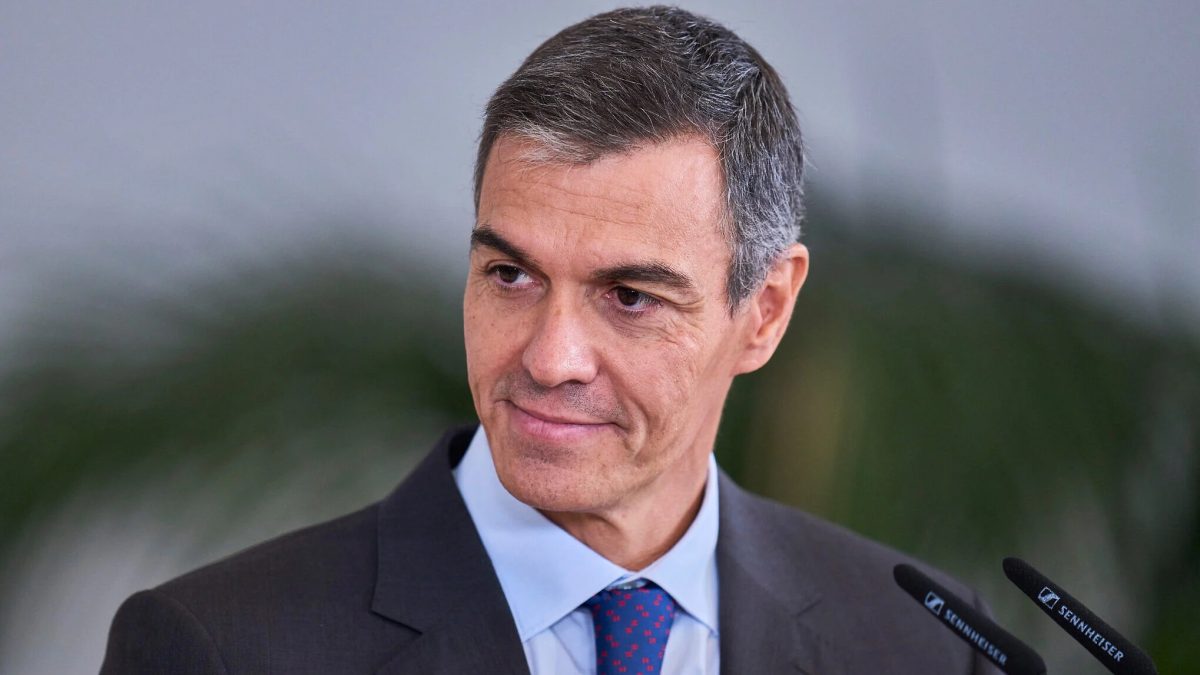
Sánchez has led the Socialists for 12 years and Spain since 2018, and has been written off before, only to stage comebacks in 2017 and 2023. He can point to a projected 2.6% annual economic growth in 2026, fuelled by tourism. But the cases against his inner circle and family are not going away. José Luis Ábalos, who was transport minister in his government, is serving a 24-year prison sentence for accepting kickbacks, and senior party figure Santos Cerdán awaits trial for alleged bribery, which he denies. Sánchez's wife, Begoña Gómez, faces trial over allegations of influence peddling and embezzlement, while his brother, David Sánchez, has been banned from public office for nine years for misconduct. Both deny wrongdoing. Gómez made her first party speech at the Socialist campaign launch, urging women to back the party "because when women step forward, all of Spain follows".
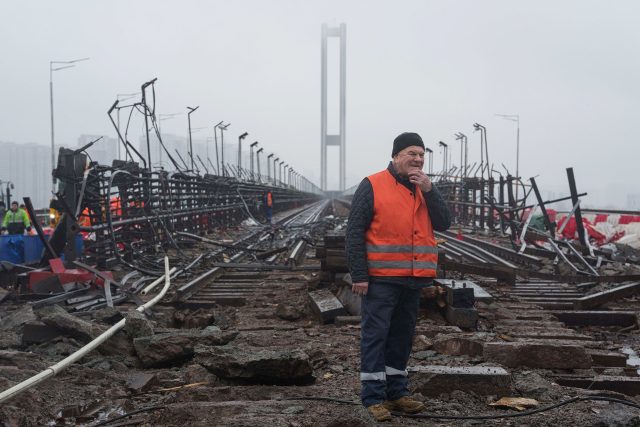
The rail disasters have overshadowed the campaign. Two deadly crashes nine months apart left 115 people dead, and the more recent, at Urda on 28 October, claimed 69 lives and overshadowed the start of campaigning. Sánchez named Carlos Cuerpo, 46, as interim transport minister afterwards, and Cuerpo has become key to his election team. A former economy ministry official who became minister of economy, trade and business in 2023, he has been ranked the best-regarded politician among the Spanish public by the Centre for Sociological Research. Sánchez has said politics is "a team sport" and that Cuerpo is on his team, a sign of how the party is trying to present a cleaner, technocratic face.
The third force is Santiago Abascal's Vox, which opinion polls put in a comfortable third place and which is taking votes from the Socialists. Abascal, 50, denies that Vox is far-right and has brought it into the mainstream, even attracting record ratings on a primetime Spanish state TV entertainment show during the campaign. Repatriating migrants "in an illegal situation" and "remigration" of foreigners who do not contribute to Spain are major themes. He has promised to use the Spanish navy to defend the borders and "send a message to the world that there is no room here for all of Africa and all of the Americas". Vox uses the Trump-inspired slogan "Make Spain Great Again", and critics say aspects of its ideology resemble the era of the dictator Francisco Franco, which Vox rejects.
On the left, the picture is fragmented. Former Barcelona mayor Ada Colau, a housing activist, heads a coalition of four small parties called Frente Amplio (Broad Front), previously known as Sumar, which was in government with the Socialists under Yolanda Díaz, who decided not to run again. It has lost many supporters recently to the Socialists and is polling fourth. Other left parties stand separately, including the pro-Catalan independence ERC under Gabriel Rufián, which has made a campaign deal with Irene Montero's Podemos. Fragmentation can cost seats under Spain's electoral system, which is another reason the left's hopes depend on tactical voting for the Socialists.
Catalan nationalism could be decisive again. Junts per Catalunya played a pivotal role in supporting Sánchez's government despite holding only seven of the 350 seats in Congress, and its decision to reject the government's housing proposals last month pushed Sánchez into calling the snap election. Its lead candidate, Míriam Nogueras, has made clear that Catalan demands come first. Its president, Carles Puigdemont, 63, has lived in self-imposed exile since 2017 after leading Catalonia's failed independence bid, and plans to return to Spain after the election. Whether a PP-Vox bloc can govern without Junts will depend on the seat count, and so will the question of whether Puigdemont's return becomes a flashpoint.
Several figures beyond the main leaders will shape what follows. Madrid's regional leader, Isabel Díaz Ayuso, 48, has led the region since 2019 and is seen by analysts as a possible future prime ministerial candidate, though her partner is under judicial investigation over alleged tax offences and document forgery, which he denies. Catalonia's Socialist president, Salvador Illa, is often named as a possible successor to Sánchez, even though he has backed him to stay. On the right, Vox's 30-year-old housing spokesman, Carlos Hernández Quero, and 36-year-old MEP Alvise Pérez, whose Se Acabó la Fiesta party won three seats in the 2024 European elections and is aiming to enter parliament for the first time, represent the hardening edge of the opposition.
With roughly eleven days to go, the campaign is a contest between a survivor with a growth story and a scandal-ridden record, and an opposition that is ahead but may need Vox, and possibly Catalan nationalists, to govern. Voters will decide between experience and change, between a left that is fragmented and a right that is tempted by an alliance with the hard right, and between competing answers on housing and migration. Whatever the result, the negotiations after 29 November are likely to be as consequential as the vote itself.