Denmark has accused Russia of plotting to assassinate a US-Ukrainian rapper on Danish soil and has ordered the expulsion of Russia's defence attaché. Denmark's security and intelligence agency, PET, said it had stopped individuals who were intending to kill the person, named by Danish media as the rapper Kyivstoner, at a concert in September. Two people have been charged with attempted murder and with assisting a foreign intelligence service, and have pleaded not guilty. The announcement has sharpened tensions between Russia and Europe at a moment when diplomats are already debating how to end the war in Ukraine.
According to PET, three individuals were stopped while travelling by car near the music venue where Kyivstoner was due to perform on 25 September. Firearms and knives were found in the vehicle. The agency said those who allegedly tried to carry out the assassination were associated with a banned Danish gang called Loyal to Familia, which it described as "known for extensive, serious and violent criminal activity". PET worked with police on the case, and its decision to go public now suggests that investigators are confident enough in their evidence to attribute the plot to Russian intelligence.
The rapper's real name is Albert Vasiliev. In July, Russia's FSB security service accused Vasiliev and the Ukrainian authorities of organising a "terrorist attack" on military facilities and personnel in Russia. The rapper denied that allegation on social media. The earlier accusation now looks like a part of a wider pattern of hostility directed at him, although the Danish authorities have not publicly said what the connection is between the FSB's claim and the alleged plot at the concert.
Danish Foreign Minister Lars Løkke Rasmussen described the alleged assassination attempt on Friday as Russian "intimidation" and an effort to make Denmark "waver" in its support for Ukraine. He announced that Russia's defence attaché must leave the country within seven days. He also said Denmark wants the European Union to restrict the ability of Russians to travel throughout Europe. Although Copenhagen is already very reluctant to issue visas, he said, Russians can still obtain a Schengen visa from another country and travel to Denmark. Copenhagen wants these visas to apply only in the country that has issued them.
The Russian response was defiant. Russia's embassy in Denmark called the allegations "unsubstantiated" and said that Copenhagen had failed to provide evidence of Moscow's involvement. In a statement, the embassy claimed that a "Danish model" had emerged, which it described as a "Russian trace" being allegedly discovered and "exploited for a propaganda spectacle". It accused Denmark of "provocations" intended to "frighten the Danish population in order to justify… a prolonged confrontation with Russia". Russian state media cited the foreign ministry in Moscow as saying it would respond to the expulsion of its official "accordingly".
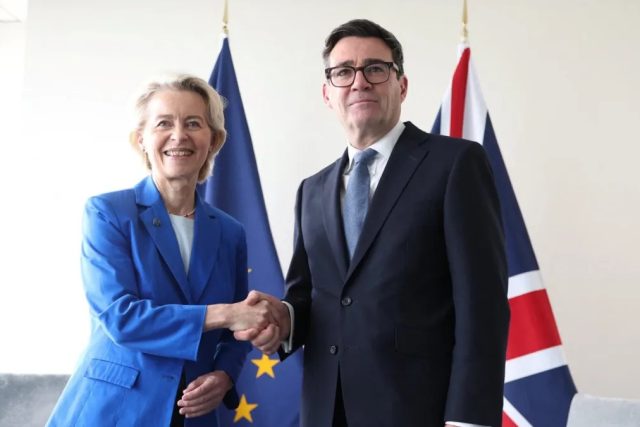
Reaction from European institutions was strong. In a statement on Saturday, European Commission President Ursula von der Leyen said: "I strongly condemn the assassination attempt against a US-Ukrainian citizen in Denmark, orchestrated by Russian intelligence services." She called it "an attack on EU soil" and said it was "unacceptable". She added that "Russia's hybrid threats are becoming less and less hybrid, and more and more real." That phrase captures the concern in European capitals that Russia's campaign of sabotage, disinformation and covert operations has moved from the shadows to direct, physical danger.
The Polish government has also entered the story. Al Jazeera reported that Poland said Russia had tried to assassinate the Ukrainian rapper twice. The details of the second alleged attempt were not set out in the Danish announcement, so it is not yet clear how the two claims relate to each other. If confirmed, it would suggest a sustained effort to target a figure who has used his platform to support Ukraine, rather than a single failed operation.
The use of local criminals is a notable feature of the case. PET said those arrested were associated with a banned Danish gang, a pattern that security services across Europe have described in other incidents. Hiring members of criminal networks allows a state to carry out an operation while keeping its own officers at a distance, which helps it deny responsibility. The charge of assisting a foreign intelligence service against two defendants indicates that Danish prosecutors believe the link to Russian intelligence is demonstrable, although the defendants have denied the charges and will have the chance to contest them in court.
Why would a rapper be a target? Kyivstoner is a US-Ukrainian citizen with a public profile and a record of speaking out in support of Ukraine. Such figures can be influential with younger audiences and with diaspora communities, and Russian authorities have shown themselves willing to treat criticism and fundraising as hostile activity. Russia's July accusation against him, which he rejects, shows that he was already in Moscow's sights.
The diplomatic consequences will unfold over the coming days. Russia has promised to respond to the expulsion, which typically means the removal of a Danish diplomat from Moscow. Denmark's push for tighter Schengen visa rules could also spark a broader discussion within the EU about how to handle travel by Russian citizens, an issue on which member states have been divided. Some governments favour restrictions as a form of pressure and security measure, while others worry about unfairly penalising ordinary people.
The case also arrives as Europe weighs its approach to Russia more broadly. Leaders have said they are ready for talks with Moscow on ending the war in Ukraine, and the revelation of a plot on EU soil complicates that picture. It strengthens the hand of those who argue that Russia cannot be treated as a normal negotiating partner while it is accused of attacks and sabotage against European countries. At the same time, it underscores why many leaders want a diplomatic path that includes security guarantees and safeguards against further hostile actions.
For Denmark, a country that has been a firm supporter of Ukraine, the episode is a reminder of the risks of that stance. The government says it will not be intimidated, and the foreign minister's words suggest it intends to keep backing Kyiv. The trial of the two accused will provide a public airing of the evidence, and the outcome will be closely watched by other European governments facing similar threats. If the court accepts the prosecution's case, it will provide strong legal confirmation of an allegation that Moscow has already rejected.