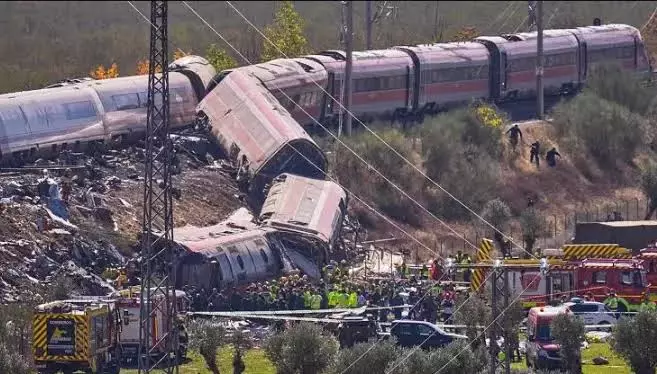
At least seven people have died and more than 100 have been injured after two passenger trains collided near the Egyptian city of Giza on Sunday, according to the BBC. Egypt's health ministry put the number of injured at 112, as reported by NBC News and other outlets, though a later China Daily report gave 125. The railway authority said the two trains, travelling south from Giza and Cairo, collided, causing several carriages to derail and fall down an embankment. The first train, travelling from Giza to Fayoum, crashed into the rear of a stationary service heading south from Cairo to Aswan. The ministry confirmed that the driver of one of the trains was among the dead, and the public prosecutor's office warned that the death toll could rise.
The state's response has centred on accountability. President Abdul Fattah al-Sisi said he had ordered state authorities to "investigate the circumstances of the accident, and hold accountable anyone found to have been negligent". Egypt's health minister, Dr Khaled Abdel Ghaffar, said patients were being treated for broken bones and head injuries, and the government said hospitals in the area had been put "on heightened alert" as they dealt with a massive influx of patients. The Egyptian Red Crescent provided aid and psychological support to victims and their families at the scene, and trains between Giza and the Upper Egypt region were suspended while cranes were sent to remove the wrecked carriages. The railway authority had not said how long it expected the clearing to take.
The political argument is about whether the blame sits with individual workers or with the system. There were calls in Egypt on Sunday for the transport minister to resign over the latest deadly rail disaster, which treats the crash as a failure of management and not of one signal or one driver. The BBC's description of the crash adds weight to that case: the collision involved a train hitting the back of another that was stationary on the tracks, a type of accident that the signalling and control systems of a rail network exist to prevent. The reports so far do not say why the stationary train was where it was or why the following train did not stop, and the investigation ordered by the president will have to answer those questions before any conclusion about fault can be drawn.
The location gives the crash a historical echo. It happened in the area between the Kafr Ammar and Al-Raqqa stations in Al-Ayyat, close to where Egypt's deadliest train tragedy occurred in February 2002, when a fire engulfed a passenger train travelling from Cairo to Luxor. In that incident more than 370 people were officially reported killed, although some estimates put the toll considerably higher. The comparison is a reminder of the scale of what can go wrong on the network, even though Sunday's collision was far smaller. Foreign governments responded with sympathy, with Saudi Arabia's foreign ministry expressing "solidarity" with Egypt and wishing the injured a speedy recovery, and Turkey's ambassador to Egypt writing on X that he extended "heartfelt condolences and sincere sympathy" to the victims, their families and the Egyptian people.
For now the facts that matter are the human ones: seven families in mourning and more than a hundred people in hospital, some with serious injuries. The investigation must determine whether the cause was signalling, human error, equipment or a combination, and whether the president's order to hold negligent officials to account leads to named individuals or to a change in how the network is run. The suspension of services between Giza and Upper Egypt will also affect commuters until the line is cleared. How quickly the authorities publish their findings, and whether the transport minister survives the calls for his resignation, will indicate how seriously the government treats the warning behind this latest crash.