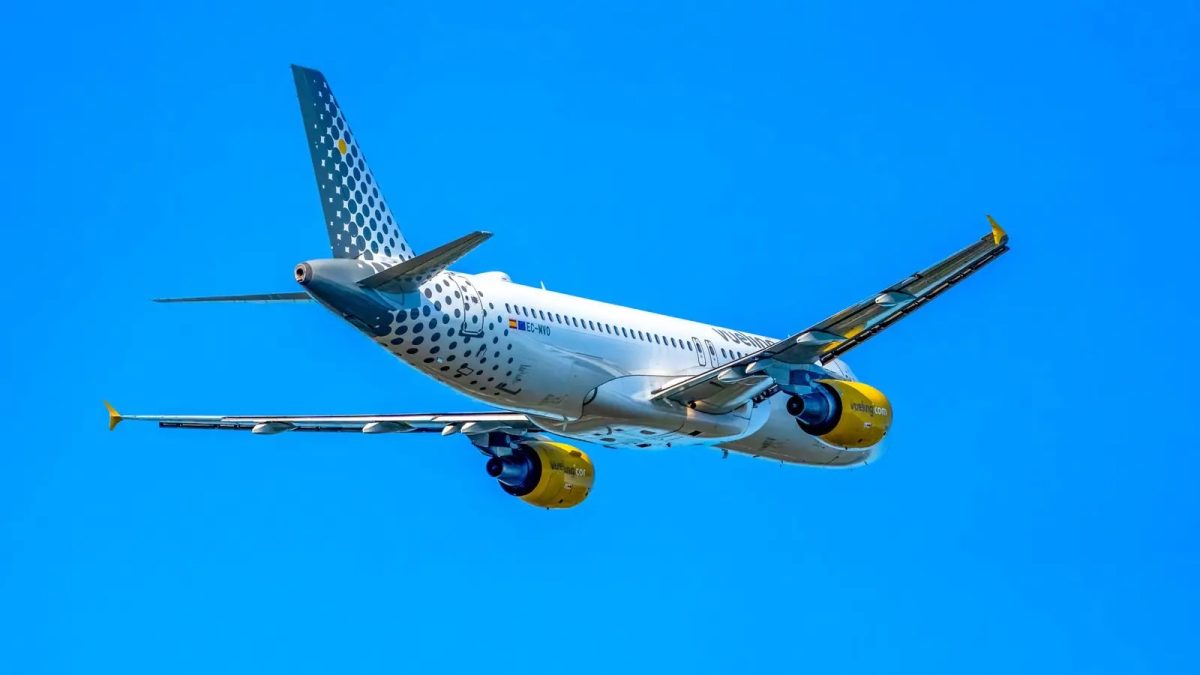
Europe has been hit by a third wave of bomb threats in a single week, with flights across the continent and several broadcasters targeted on Friday. Hungarian fighter jets escorted three passenger planes through the country's airspace within an hour of each receiving a threat, on routes such as Brussels to Sofia and Prague to Cyprus, a Wizz Air flight from Prague was diverted to Venice, and Ireland's public broadcaster RTÉ was evacuated. No suspicious items have been found and nobody has been hurt, but the scale and timing of the messages have unsettled governments and airlines, and nobody has said who is behind them.
There are good reasons to treat the wave as a coordinated campaign. Nearly 30 aircraft and several airports were affected earlier in the week, and the European Union's transport commissioner, Apostolos Tzitzikostas, said 11 more threats were made on Friday. The Irish government has called it a "likely coordinated campaign of disruption," and the threats follow other disruptions across Europe, including attacks on supermarket refrigeration systems and drone incursions. Authorities have also warned that Russia may be stepping up hybrid threats. Threats also targeted a Ryanair flight from Lisbon to Rome and a Tarom flight from Prague to Bucharest, and French authorities said four threats were made against aircraft flying over France, all of which landed safely at Orly. Airlines have little choice but to react, since they are responsible for passengers' lives, and diverting and inspecting flights is costly.
The counter-argument is that the real impact has been small and the attribution is unproven. Eurocontrol said it was aware of threats against 14 flights on Thursday, only 0.05 percent of the nearly 26,300 flights across the European network that day, and the agency described the disruption to aviation as minimal. No evidence links the hoaxes to a government. An email to Rome's airport authorities claimed to come from an anti-feminist group, and the Russian extremist group named in earlier Italian threats denied any involvement. Fake bomb threats are relatively common, and the risk is that overreaction hands hoaxers exactly the disruption they want.
The episode matters because it exposes how cheaply confidence in European travel can be shaken. Secure messaging apps give senders anonymity, and an airline's appetite for risk is, as one analyst put it, incredibly low. EU security experts will meet in Brussels next week to discuss measures, and Ireland is due to host two high-profile EU meetings in Dublin. The spread to media organisations, including Sky and the Irish Independent, suggests the aim may be to unsettle public life more broadly, and gardaí deployed armed officers to RTÉ's Dublin headquarters. Irish Prime Minister Micheál Martin called the situation worrying and said it was not yet known whether the threats came from individuals or a coordinated effort. In Prague, nine of the affected flights touched Václav Havel Airport, where police said the effect on normal operations was minimal, and in Denmark police were deployed to Copenhagen airport for a second consecutive day.
For now the threats have caused far more worry than damage. Whether they prove the work of pranksters or a hostile state, Europe's response next week will show how it plans to defend its skies.