The United States has lost its measles elimination status after more than two decades, the Pan American Health Organization (PAHO) announced on Tuesday, closing a chapter that public health officials once counted among the great successes of modern vaccination. The decision follows two years of record case numbers and deaths. PAHO, a specialised service of the United Nations and a regional arm of the World Health Organization, determined that the country had experienced uninterrupted transmission of the same strain of measles for more than 12 months, which is the technical threshold at which a country can no longer claim to have eliminated the disease. The BBC reported that the loss comes after 26 years of holding that status.
The announcement was not limited to Washington. PAHO director Dr Jarbas Barbosa said Mexico and Bolivia had also lost their measles elimination status, and he attributed the resurgence across the region to persistent gaps in vaccination. "These figures are a serious warning for our region," he told a news conference, adding that measles is resurging globally. He noted that Canada, which lost its own elimination status last year after several large outbreaks, has made strides this year toward interrupting transmission, a reminder that the status can in principle be regained. Daniel Salas, PAHO's executive manager of immunisations, said the US and the other countries that lost status would be required to submit corrective action plans setting out how they intend to improve vaccination rates.
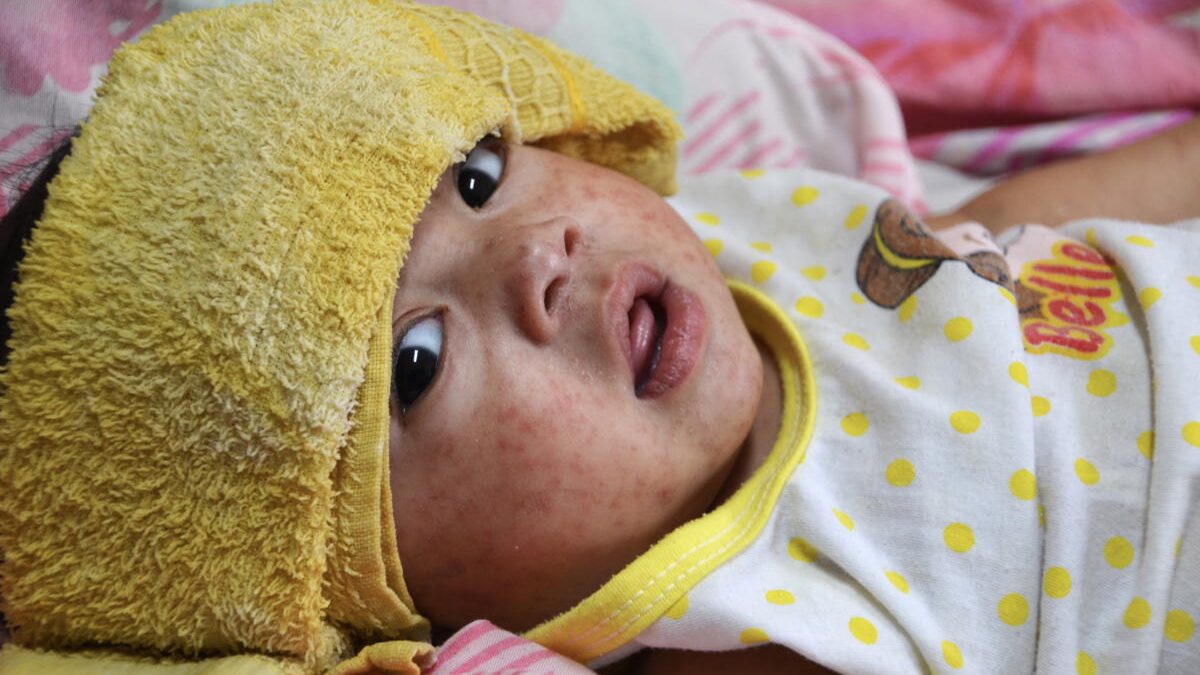
The numbers behind the decision are stark. The United States has recorded 5,400 measles cases this year alone, along with 10 measles-related deaths, the most the country has seen since the 1990s. An outbreak in Pennsylvania has infected more than 1,400 people, a figure that is likely a significant underestimate, and has killed seven people, according to state officials. Measles is among the most contagious viruses known, and before a vaccine existed it infected millions of children a year. It can be fatal, and survivors can face long-term complications including encephalitis and so-called immune amnesia, in which the immune system is effectively reset and left with only a limited ability to respond to new infections.
The case that the loss of status is mostly symbolic comes from the federal health agencies themselves. CDC Director Erica Schwartz said the elimination designation was not what protected Americans. "Vaccination does," she said, adding that the agency knows where transmission is occurring and has invested $100 million in state and local health departments to reach those communities. The CDC said it and its partners were committed to stopping outbreaks and regaining elimination status by encouraging MMR vaccination and expanding access to vaccines. US Health Secretary Robert F Kennedy Jr said on social media that he continues to recommend MMR vaccination as the most effective way to prevent measles, and that the government is working to close vaccination gaps and rebuild public trust. He has also argued that the rise in cases began before he took over at the Department of Health and Human Services, and that neighbouring countries have seen more infections too.
The case that the loss is a serious setback is made by physicians and researchers. Dr Nuwan Gunawardhana, an assistant professor of medicine at Columbia University Irving Medical Center, called it "a huge leap backwards". William Moss, a paediatric infectious disease specialist at the Johns Hopkins Bloomberg School of Public Health, noted that the United States was the first country in the Americas to eliminate measles, thanks to vaccination campaigns. Gunawardhana said it took massive efforts from public health officials and clinicians to build trust with patients and raise uptake of the MMR vaccine, leading to decades with few infections and deaths, but that this trust has been eroding since the Covid-19 pandemic, when patients encountered misinformation about vaccine safety and lost further confidence in public health systems.
The vaccination data support that concern. The US recommends two doses of the measles, mumps and rubella vaccine for children between the ages of one and six, a schedule that is 97% effective in protecting against the illness. Yet the national MMR vaccination rate has fallen to 92.4%, below the 95% level that provides herd immunity. Herd immunity matters because it limits the spread of measles and protects those who cannot be vaccinated, including newborns. A drop of a few percentage points may sound small, but in a virus as transmissible as measles it leaves enough unprotected pockets for an outbreak to sustain itself over many months, which is precisely what PAHO concluded had happened.
Politics has complicated the picture. Kennedy, a vaccine sceptic, has often cast doubt on the safety of the MMR shot and has pursued sweeping changes to US vaccine recommendations and policies. Last year he fired all the members of a top vaccine advisory panel and replaced them with his own appointees, some of whom are vaccine critics. The panel recommended several changes, including ending the requirement of the hepatitis B vaccine for all newborns, but those recommendations were blocked by a federal judge. President Donald Trump also cast doubt on the safety of the MMR vaccine this year, issuing an executive order for the shot to be split into three separate immunisations for measles, mumps and rubella, a step that public health experts say is costly and could sow confusion about an already safe vaccine. Kennedy has also sparred with Pennsylvania officials over how measles deaths are counted, with the CDC declining for now to record some of the deaths in its database.
The United States is far from alone. The UK, Spain and Austria were among the European nations that lost their measles-free status earlier this year, along with Russia, Azerbaijan and Uzbekistan. That pattern suggests the problem is not confined to one country's politics, and that falling vaccine uptake after the pandemic is being felt across very different health systems. It also means the corrective action plans PAHO has requested will be a regional exercise, with countries comparing how they reach under-vaccinated communities, how they rebuild trust, and how they track cases accurately.
For families, the practical meaning is simpler than the diplomacy. Doctors and public health officials say the mixed messaging from the top has played a major role in falling vaccination rates. "It's confusing patients. It's confusing families," Gunawardhana said. "We need a clear message from the top." With the federal government's vaccine manoeuvres leaving gaps, states and public health officials have been issuing their own separate recommendations that uphold decades-long practices, which means a parent's experience can differ depending on where they live. Pennsylvania's outbreak, with its seven deaths, shows how quickly the consequences can reach communities that were once considered safe.
Regaining the status will not be quick. Under the rules PAHO applies, the country must stop the chain of transmission and then demonstrate that the virus is no longer circulating continuously, which requires both higher vaccination coverage and reliable surveillance. The federal agencies have pledged to try, and both the CDC and the health secretary have publicly endorsed MMR vaccination. Whether that endorsement is enough to reverse a downward trend that began years ago will depend on whether the message is consistent across government, and whether the trust that took decades to build can be repaired.
The loss of elimination status is, in the end, a measurement rather than a verdict: it records that measles has been spreading continuously for more than a year in a country that once stopped it. The measurement carries a warning that PAHO's director put plainly. Vaccination rates below the herd-immunity threshold, a record outbreak toll and eroding public trust are not abstract risks, and the 5,400 cases and 10 deaths this year are the evidence. How the United States, Mexico and Bolivia respond in their corrective plans will show whether this becomes a temporary lapse or the new normal.